

What Are Common Problems with Skid Steers?
The sudden, unexpected silence of a dead engine on an active construction site is a sound every contractor dreads. When your heavy equipment fails mid-task, your entire project timeline completely evaporates. Ground crews stand idle, client deadlines are missed, and profit margins are rapidly consumed by emergency repair bills. While compact loaders are engineered to endure brutal physical punishment, they are not invincible.
Understanding common skid steer problems is absolutely essential for maintaining job site productivity and avoiding catastrophic mechanical failures. Many operators treat their machines as disposable tools, ignoring the subtle warning signs of impending breakdowns until the loader completely paralyzes the operation. This guide strips away the guesswork and provides authoritative troubleshooting for skid steer issues. By mastering these foundational skid steer maintenance tips, you will aggressively protect your working capital and ensure your fleet remains a deeply reliable asset.
Preventing Destructive Hydraulic System Issues
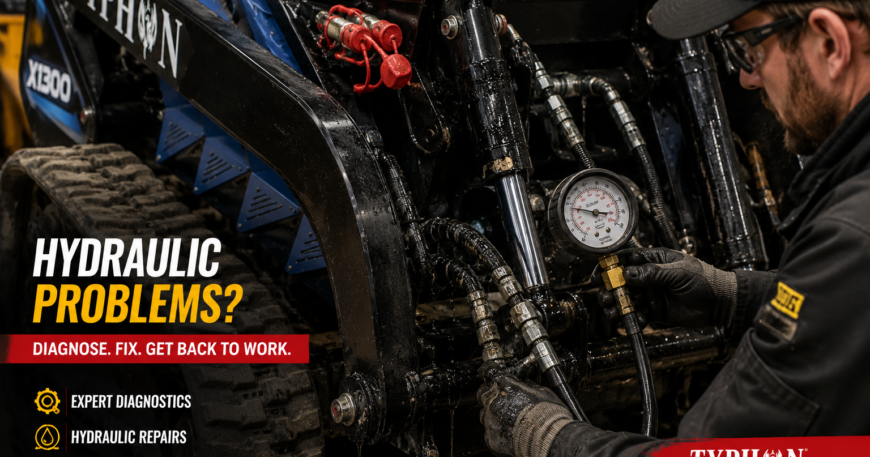
A skid steer loader relies entirely on a complex network of highly pressurized fluid to lift massive payloads and drive heavy attachments. This hydraulic system acts as the absolute lifeblood of the machine, transferring rotational engine energy directly into brute lifting force. The severe limitation many contractors face is treating this system as a perfectly sealed, maintenance-free entity. When operators ignore this critical component, the machine rapidly loses its lifting capability and becomes dangerously unpredictable.
The most frequent problem plaguing hydraulic systems is the introduction of microscopic abrasive dirt and moisture. Operators often connect dirty hydraulic attachments in a rush, forcing sand and debris directly into the machine’s circulatory system. This contamination aggressively scars the precision-machined internal surfaces of the hydraulic pump, leading to severe pressure loss and complete mechanical failure. Furthermore, ignoring small fluid leaks on deteriorating rubber hoses guarantees that the system will eventually run dry and destroy itself.
Resolving these hydraulic issues requires a strict, non-negotiable commitment to fluid cleanliness and daily visual inspections. Operators must meticulously wipe down all quick-connect fittings before ever attaching a new tool. Additionally, you must actively monitor the hydraulic sight glass daily and replace the heavy-duty fluid filters at the manufacturer’s recommended intervals.
The real-world impact of this disciplined hydraulic care is unparalleled lifting power and the total prevention of massive, five-figure pump replacement bills. When your fluid remains pristine and fully pressurized, your operators can grade soil and load trucks with absolute precision. Protecting the machine’s circulatory system naturally transitions into safeguarding the beating heart that powers it.
Conquering Engine Performance and Stalling
Modern diesel engines provide the immense, unyielding torque required to push thousands of pounds of steel through dense, compacted earth. These sophisticated power plants are engineering marvels, designed to run continuously throughout grueling ten-hour shifts. However, the hostile environments where these machines operate constantly threaten the engine’s internal health. When an engine begins sputtering, losing power under load, or stalling out completely, your job site momentum instantly dies.
The vast majority of engine problems stem directly from poor fuel management and neglected air filtration systems. Diesel fuel is highly susceptible to water condensation, especially when machines are left sitting overnight with partially empty fuel tanks. When this water separates from the fuel and enters the engine’s precision fuel injectors, it completely destroys the firing sequence and physically rusts internal components. Simultaneously, operating in dusty environments without actively blowing out the primary air filters chokes the engine, starving it of the oxygen required to burn fuel efficiently.
Preventing these devastating engine failures demands a highly proactive approach to your daily preventative maintenance routine. You must consistently drain the engine’s water separator bowl every single morning to ensure only pure, clean diesel reaches the injectors. Furthermore, operators must visually inspect and clean the air filtration system daily, replacing the filters the moment they become permanently clogged with heavy silica dust.
Implementing these strict engine management protocols guarantees that your machine delivers consistent, aggressive power exactly when you need it. You completely avoid the agonizing frustration of a stalling loader, keeping your operators highly productive and your project perfectly on schedule. Maintaining this aggressive engine power inherently generates massive amounts of heat, which brings us to the next critical vulnerability.
Managing Overheating and Cooling System Limitations
A heavy-duty compact loader generates immense internal temperatures while constantly battling steep inclines and massive material payloads. The machine relies on a sophisticated cooling package, typically located at the rear of the loader, to safely dissipate this extreme heat into the atmosphere. The dangerous reality of commercial construction is that the air surrounding the machine is constantly filled with floating debris, sawdust, and pulverized concrete.
Overheating is one of the most common skid steer problems, and it is almost always caused by a severely neglected cooling system. When the rear radiator fins become densely packed with mud and airborne debris, the engine fan can no longer pull fresh air through the core. As the internal temperatures violently spike, the machine will trigger an emergency thermal shutdown, paralyzing the loader until the engine block safely cools down. Ignoring these temperature warnings and forcing the machine to keep working will instantly warp the cylinder heads and permanently destroy the engine block.
Defeating this thermal threat requires operators to aggressively clean the cooling package as part of their mandatory morning inspection. Utilizing compressed air or a high-powered leaf blower to force the trapped dirt out of the radiator fins completely restores the system’s vital airflow. Additionally, business owners must ensure the engine coolant is kept at the precise recommended level and mixed perfectly to prevent internal boiling.
The financial impact of this simple cleaning routine is the absolute preservation of your most expensive mechanical components. Your machine will run cool and stable during the blistering summer heat, ensuring your crew never loses a single hour of profitable production time to a thermal shutdown. This stable operating temperature also deeply protects the delicate wires and sensors surrounding the engine bay.
Troubleshooting Electrical System Failures
The heavy equipment industry has undergone a massive technological revolution, introducing highly complex digital sensors and electronic control modules into every new machine. These advanced electrical systems provide operators with incredible control and real-time data regarding the machine’s overall health. The severe vulnerability contractors encounter is that delicate wiring harnesses and sensitive computers are naturally hostile to water, heavy vibrations, and abrasive dirt.
Electrical system failures frequently manifest as terrifying “ghost codes” on the digital dashboard, sudden loss of joystick controls, or a machine that simply refuses to crank. These frustrating issues are almost always the direct result of a loose ground wire, a heavily corroded battery terminal, or a wiring harness that has rubbed raw against a vibrating steel panel. When the machine’s computer cannot properly communicate with the hydraulic valves, the loader essentially becomes a paralyzed piece of iron.
Addressing these electrical faults requires a calm, methodical approach to troubleshooting skid steer issues. Operators and mechanics must frequently inspect the battery compartment, actively scrubbing away acid corrosion and tightening the heavy-duty battery cables. Applying dielectric grease to critical sensor connections prevents moisture from penetrating the vital communication lines.
Mastering basic electrical maintenance empowers your crew to resolve minor sensor faults in the field without waiting days for a dealership technician to arrive with a diagnostic laptop. You secure unyielding reliability and ensure that your expensive hydraulic attachments always receive the correct electronic signals to function properly. Ensuring the machine’s internal brain functions flawlessly allows you to focus heavily on how the machine physically touches the earth.
Minimizing Destructive Track and Tire Wear
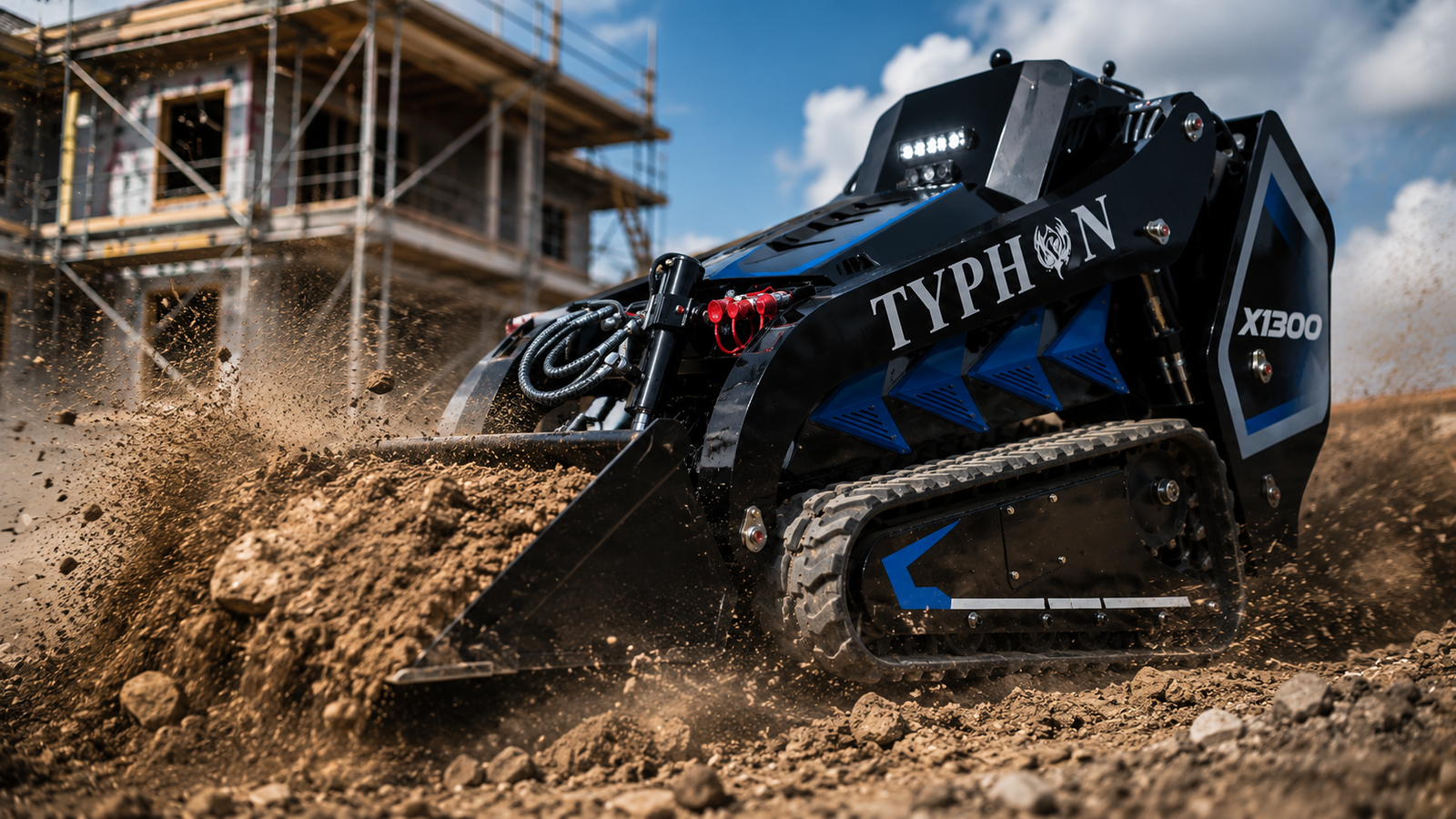
A skid steer loader relies entirely on its tires or rubber tracks to grip the earth, provide flotation, and transfer the engine’s massive pushing power to the ground. These heavy rubber components are incredibly expensive, representing one of the largest ongoing maintenance costs for any contracting operation. A frequent mistake business owners make is ignoring the undercarriage until a tire violently blows out or a track completely derails in the middle of a muddy job site.
Track and tire wear accelerates aggressively when operators fail to respect the physical limitations of their specific configuration. Operating a tracked machine aggressively on jagged concrete literally shreds the rubber lugs, destroying thousands of dollars in equity in a matter of days. Conversely, running wheeled loaders with improperly inflated tires causes the machine to aggressively bounce, leading to dangerously uneven tread wear and severely compromised lifting stability.
Protecting your massive investment in commercial rubber requires strict, disciplined daily oversight. Operators running wheeled machines must check tire pressures daily, ensuring they match the exact specifications required to keep the machine perfectly level under load. Tracked machine operators must diligently clean the heavy mud out of the steel undercarriage every evening to prevent the debris from drying solid and shattering the expensive lower rollers.
The profound impact of managing your undercarriage health is a deeply predictable maintenance budget and the total prevention of dangerous field derailments. By extending the lifespan of your tracks and tires, you fiercely protect your profit margins and ensure your machine remains highly mobile across the most demanding terrains. Achieving this level of mechanical preservation ultimately comes down to the mindset of the person sitting behind the glass.
Eliminating Operator Errors Through Training
The most perfectly engineered, meticulously maintained heavy machine is still completely at the mercy of the human being sitting inside the cab. A common vulnerability for growing construction companies is handing the keys to a multimillion-dollar fleet over to untrained, inexperienced personnel. When operators lack a profound understanding of the machine’s capabilities, they treat the equipment with total apathy and dangerous aggression.
Operator error is the root cause of nearly all catastrophic equipment failures and severe job site accidents. When an operator violently rams a dirt pile at full speed instead of smoothly rolling the bucket, they shatter the loader arms and destroy the hydraulic cylinders. Ignoring low oil pressure warnings or skipping the mandatory morning warm-up routine violently accelerates the internal wear of the engine and hydrostatic drive motors.
Completely eliminating this destructive behavior requires business owners to invest heavily in comprehensive, unyielding operator training. You must teach your crews exactly how to listen to the machine, how to read the hydraulic flow, and how to execute their daily preventative maintenance routines with absolute precision. Building a culture of deep personal accountability ensures that the operator views the machine as their own personal responsibility.
The long-term value of investing in your human capital is an incredibly stable, highly respected contracting business. Elite operators who respect their equipment drastically reduce your annual repair costs and execute complex contracts with flawless precision. By prioritizing the professionals inside the cab, you guarantee that your machinery operates at its absolute peak potential.
Secure Your Fleet’s Ultimate Reliability
A successful commercial contracting business relies entirely on the predictable, unyielding performance of its mechanical assets. Treating your skid steer loader as an expendable tool and ignoring its basic mechanical needs is a guaranteed path to stalled projects, infuriated clients, and completely destroyed profit margins. The true power of a heavy machine is only fully realized when the business owner takes aggressive, proactive ownership of its physical well-being.
Take the necessary steps today to implement a comprehensive, deeply empowering maintenance program across your entire workforce. Teach your operators to execute flawless daily inspections, relentlessly protect the hydraulic system from contamination, and aggressively monitor the machine’s vital cooling packages. By treating these essential skid steer maintenance tips as the foundational pillar of your daily operations, you secure your fleet’s longevity and confidently drive your company toward highly profitable, long-term success.