-
Rated 0 out of 5Sale!DISCOVER MORE$6,499.00Original price was: $6,499.00.$4,999.00Current price is: $4,999.00. -
Rated 0 out of 5Sale!DISCOVER MORE$34,999.00Original price was: $34,999.00.$29,999.00Current price is: $29,999.00. -
Rated 0 out of 5Sale!DISCOVER MORE$36,999.00Original price was: $36,999.00.$0.00Current price is: $0.00. -
Rated 0 out of 5Sale!DISCOVER MORE$7,999.00Original price was: $7,999.00.$7,899.00Current price is: $7,899.00. -
Rated 0 out of 5Sale!DISCOVER MORE$13,999.00Original price was: $13,999.00.$0.00Current price is: $0.00. -
Rated 0 out of 5Sale!DISCOVER MORE$10,998.00Original price was: $10,998.00.$8,899.15Current price is: $8,899.15. -
Rated 0 out of 5Sale!DISCOVER MORE$25,500.00Original price was: $25,500.00.$19,999.00Current price is: $19,999.00. -
Rated 0 out of 5Sale!DISCOVER MORE$14,500.00Original price was: $14,500.00.$11,888.00Current price is: $11,888.00.
The Evolution of the Mini Excavator
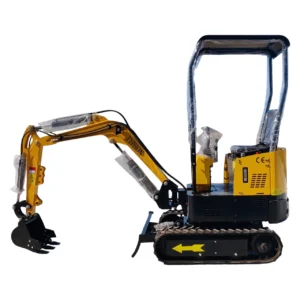
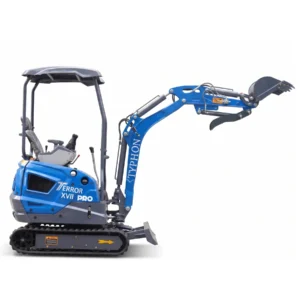
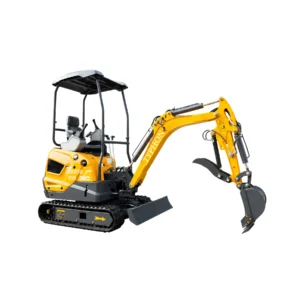
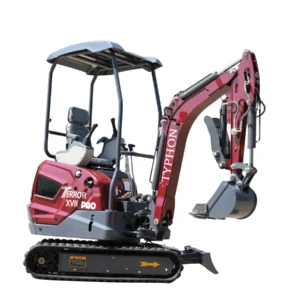
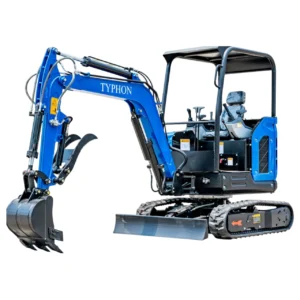
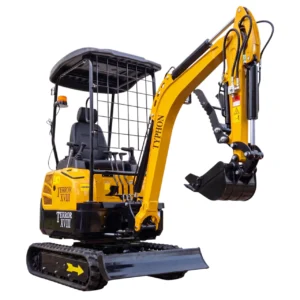
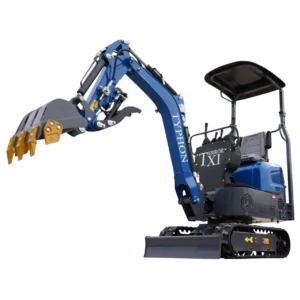
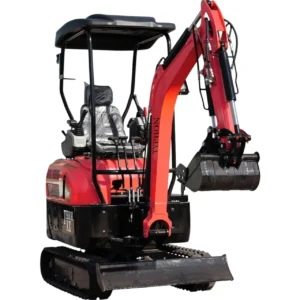
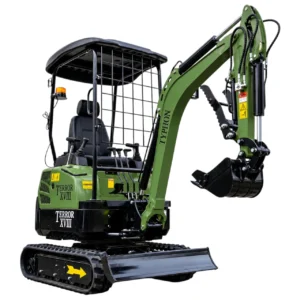
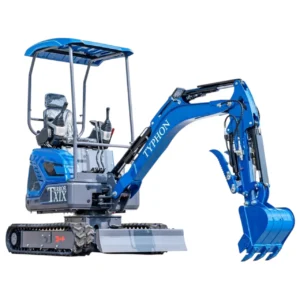
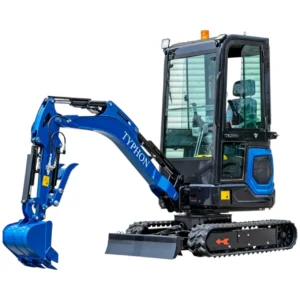
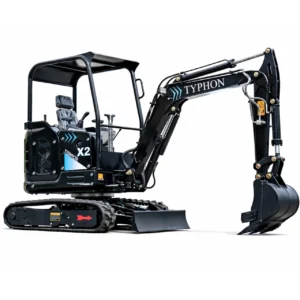
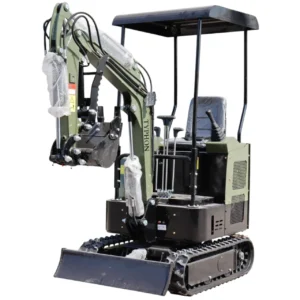
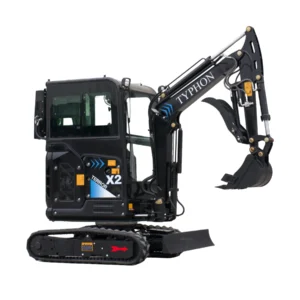
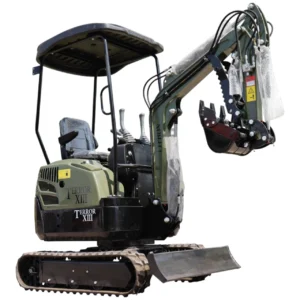
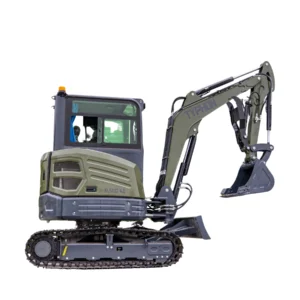
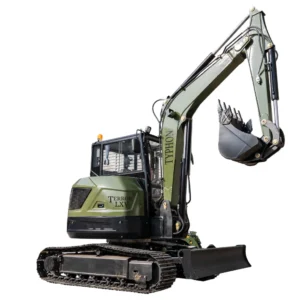
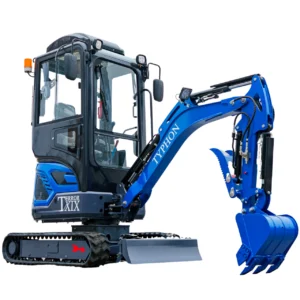
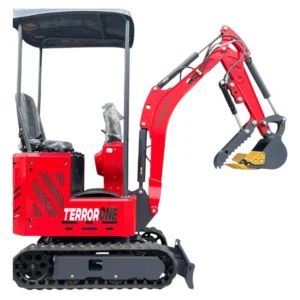
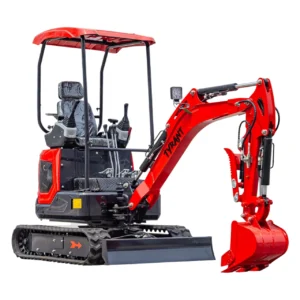
A mini excavator (also widely known as a compact excavator or mini digger) represents the pinnacle of modern hydraulic engineering. Over the past decade, the construction industry has seen a massive shift away from cumbersome, full-sized machinery toward these highly efficient, small-footprint digging machines. Designed to operate in environments where traditional heavy machinery simply cannot fit, the compact excavator has become the backbone of residential, urban, and utility construction.
What sets modern compact construction machinery apart is the power-to-weight ratio. Advanced variable displacement pumps and independent hydraulic circuits allow today's 3-ton excavators to deliver the breakout force and lifting capacity that previously required a 5-ton machine. Furthermore, the introduction of Zero Tail Swing (ZTS) technology means the rear housing of the machine never extends beyond the width of the tracks during a full 360-degree rotation. This eliminates the risk of property damage when working flush against walls, fences, or active roadways.
From a financial perspective, investing in digging equipment of this size drastically reduces operational overhead. They consume significantly less diesel, require smaller transport trailers, and reduce the need for manual labor in confined spaces. Whether you are an independent contractor looking to scale your business, or a fleet manager optimizing your equipment roster, the mini excavator is a non-negotiable asset.
Why Mini Excavators Dominate Job Sites
Beyond their size, compact excavators transform how contractors bid, execute, and profit from modern projects.
Unmatched Tight-Space Efficiency
Retractable undercarriages on 1-ton models allow operators to shrink track width to 28 inches, passing through standard residential doorways and garden gates before expanding for maximum digging stability.
Reduced Labor Overhead
A single operator with a compact excavator can perform the earthmoving, trenching, and lifting tasks of a five-man manual labor crew, drastically lowering payroll costs and minimizing physical fatigue and injury risks.
Exceptional Fuel Economy
Equipped with modern Tier 4 Final engines, these machines provide peak hydraulic flow at lower RPMs. Auto-idle features further cut diesel consumption, keeping your daily operating costs incredibly low.
Surgical Precision
Pilot-operated joystick controls offer millimeter-perfect boom and dipper movements. This precision is critical when digging around live utility lines, fiber optics, or delicate residential landscaping.
High-Value Applications & Use Cases
🏗️ Commercial & Residential Construction
In modern construction, space is a premium. Mini excavators are deployed to dig footings for new home additions, excavate basement egress windows, and prepare concrete slab foundations. Their light footprint prevents the destruction of existing driveways and sidewalks, saving contractors thousands in post-project repair costs.
🌳 Advanced Landscaping & Hardscaping
Professional landscapers rely on compact excavators to transform topographies. With the right attachments, these machines can rip out massive tree stumps, place multi-ton decorative boulders, and carve out precise tiers for retaining walls. The rubber tracks ensure that manicured turf sustains minimal damage compared to wheeled skid steers.
⚡ Utility Trenching & Plumbing
When municipal pipes burst or new fiber optic cables need laying, excavators are the first on the scene. Their ability to straddle a trench while utilizing offset booms allows operators to dig parallel to foundations. This makes them the ultimate tool for plumbers installing sewer lines or electricians running underground conduit.
🏚️ Interior & Urban Demolition
Equipped with a hydraulic breaker, an electric or diesel micro-excavator can be driven directly into the lobby of a commercial building to shatter concrete slabs and tear down masonry walls. Their low noise output and zero-emissions variants make them compliant with strict urban noise ordinances.
Expert Technical Insights
Understanding the iron beneath the paint. Here is what drives excavator performance.
Hydraulic Flow & Breakout Force
The true power of an excavator is not in its engine horsepower, but in its hydraulic system. Breakout force refers to the maximum power exerted by the curling of the bucket and the crowding of the dipper arm. High auxiliary hydraulic flow (measured in Gallons Per Minute or GPM) is absolutely vital if you plan to run high-demand attachments like flail mowers or heavy hydraulic hammers.
The Importance of Track Systems
Mini excavators utilize continuous rubber tracks. The internal steel core dictates the track's lifespan. The low ground pressure distributed across these tracks allows the machine to float over mud and soft topsoil where wheeled machines would instantly sink and rut. Furthermore, the undercarriage houses the drive motors—protecting them within the chassis is critical for longevity in debris-filled environments.
Conventional vs. Zero Tail Swing
A Conventional Tail Swing (CTS) machine has a rear counterweight that extends past the tracks. This offers higher lifting capacities for a lower price point but requires the operator to constantly monitor their rear blind spot. A Zero Tail Swing (ZTS) machine sacrifices a small amount of lift capacity but guarantees the counterweight stays within the track width, allowing safe operation against walls.
The Ultimate Mini Excavator Buying Guide
1. Assessing Operating Weight vs. Towing Capacity
The most common mistake first-time buyers make is ignoring logistics. If you purchase a 4-ton machine, you cannot tow it with a standard SUV. You must factor in the weight of the excavator, the weight of the heavy-duty trailer, and the weight of your attachments. Always ensure your tow vehicle is rated for the combined load to avoid DOT fines and safety hazards.
2. Open Canopy (ROPS) vs. Enclosed Cab
If you work in a temperate climate doing occasional digging, an open Roll-Over Protective Structure (ROPS) is cost-effective and provides better communication with ground workers. However, if you are a full-time operator dealing with extreme heat, freezing winters, or dusty demolition sites, an enclosed cab with air conditioning and heating is mandatory. Operator comfort directly correlates to job site productivity and safety.
3. Inspecting Used Machines
When buying used, look past the fresh paint. Inspect the boom and stick for hairline cracks or re-welds. Check the slewing ring (the gear that spins the cab) by extending the arm and pushing it gently against the ground—if the cab has excessive "play" or rocking, the slew ring is worn out and is incredibly expensive to replace. Finally, check the hydraulic cylinders for oil weeping, which indicates blown seals.
4. The Importance of a Hydraulic Thumb
If there is one non-negotiable upgrade you should pay for, it is a hydraulic thumb. A standard bucket can only scoop. A thumb turns your excavator arm into a massive hand, allowing you to pinch, pick up, and precisely place logs, boulders, scrap metal, and demolition debris. Without a thumb, your machine's versatility is crippled.
Maximizing ROI with Attachments
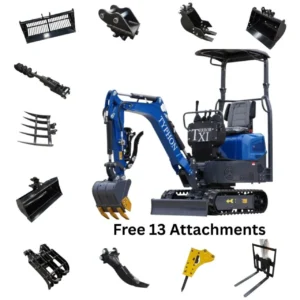
Your excavator boom is simply a carrier. The attachments do the work. Equipping your machine with a hydraulic quick-coupler allows operators to change these tools in seconds without leaving the cab.
- Trenching Buckets: Narrow, deep buckets equipped with aggressive teeth. Designed specifically to cut through hardpan and clay to lay pipe.
- Grading / Ditching Buckets: Wide, smooth-edged buckets. Used for cleaning out muddy ditches, backfilling trenches, and smoothing topsoil without gouging the earth.
- Hydraulic Breakers (Hammers): Delivers thousands of pounds of impact energy to shatter concrete driveways, rock shelves, and asphalt.
- Earth Augers: Planetary drive motors that spin massive drill bits into the ground. Essential for rapid installation of fencing posts, deck footings, and tree planting.
- Rippers: A single, thick steel claw used to tear through frozen ground, thick tree roots, and dense rock layers before switching to a bucket for removal.
Maintenance & Safety Protocols
Heavy machinery operates in the harshest environments on earth. Neglecting maintenance leads to catastrophic, expensive failures. Implement these protocols immediately.
Daily Walkaround Checks
Before turning the key, check engine oil and hydraulic fluid levels. Inspect the rubber tracks for deep cuts exposing the steel core. Bleed the water separator in the fuel line—diesel engines will suffer severe injector damage if water enters the combustion chamber.
Greasing Protocol
An excavator is essentially a collection of steel pins and bushings operating under immense friction. You must grease all pivot points daily. The bucket pins, dipper pins, and boom base pins bear the highest loads. If you hear metal squeaking while digging, you are already causing irreversible wear.
Operator Safety
Never swing a loaded bucket over the heads of ground workers. Always travel up and down slopes, never horizontally across them, to prevent rollovers. When parking the machine, always lower the bucket or blade flat to the ground, engage the hydraulic safety lock, and idle the engine for 2 minutes before shutting down to allow the turbocharger to cool.
Frequently Asked Questions
Expert answers to the most common compact excavator inquiries.
What is a mini excavator used for?
A mini excavator is a highly versatile compact construction machine used for trenching, utility work, landscaping, demolition, and material handling in confined spaces where full-sized excavators cannot operate.
What size mini excavator should I buy?
For indoor or backyard work with tight gates, a 1-to-2 ton machine with retractable tracks is ideal. For general plumbing, utilities, and landscaping, a 3-ton machine is the industry standard. For heavy commercial work and moving large boulders, opt for a 4-to-5 ton model.
What attachments can a mini excavator use?
Common attachments include trenching buckets, grading buckets, hydraulic thumbs (for grabbing), hydraulic breakers (for concrete), earth augers (for post holes), flail mowers (for brush clearing), and rippers (for frost/rock).
How much weight can this forklift handle?
It features a massive rated lifting capacity of 6,600 lbs (at a 500 mm load center) against a 7,500 lb machine weight. This delivers twice the lifting capacity of many standard warehouse machines, allowing you to move heavier pallets in fewer trips safely.
How high can the mast reach, and can it work indoors?
The premium three-stage mast provides a maximum lifting height of 4.5 meters (approx. 14.7 feet). Crucially, it includes 1,400 mm of "free lift," meaning you can raise the forks inside low-ceiling areas or enclosed shipping containers without the top of the mast hitting the roof.
How long does the battery last, and how is it charged?
Powered by a high-efficiency 60V/250 Ah lead-acid battery, it provides up to 10 hours of continuous operational runtime. The included smart charger plugs directly into any standard 110V outlet, fully recharging the machine in just 6 hours without requiring expensive 220V facility wiring upgrades.
How much aisle space do I need to operate?
Designed for tight warehouse navigation, the machine has a minimum turning radius of just 2530 mm. Combined with a compact body (2775 mm long, 1200 mm wide), a 1950 mm wheelbase, and lateral movement capabilities, operators can safely maneuver heavy loads in extremely narrow aisles.
What kind of tires does this model use?
It is equipped with premium solid rubber tires. These provide maximum durability and absolute stability during heavy lifting operations. Because they are solid, they are 100% puncture-proof, eliminating flat-tire downtime on your warehouse floor.
Is the machine stable and easy to steer with heavy loads?
Absolutely. The machine is equipped with advanced hydraulic steering, ensuring the operator maintains precise, effortless control even when navigating tight corners with a full 6,600 lb payload.
Find the Perfect Mini Excavator for Your Job Today
Our inventory of premium compact digging equipment moves fast. Secure your machine today and eliminate downtime on your next major project.