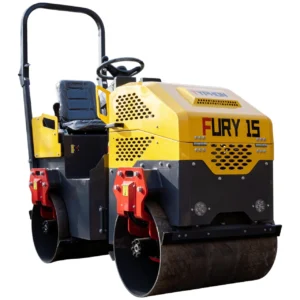
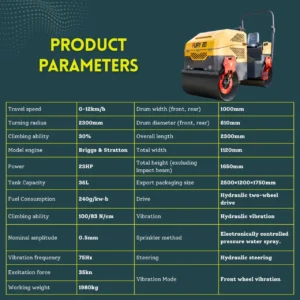
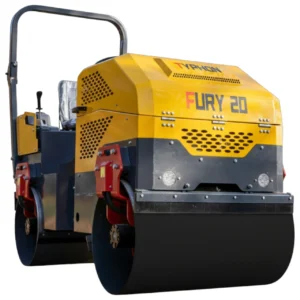
road-roller

Road Roller

🏗️ Built for Tough Conditions
⚙️ High Compaction Efficiency
🚚 Fast Nationwide Delivery
🛡️ Reliable Performance

Road Rollers: The Foundation of Flawless Infrastructure

Before a single wheel drives on a newly paved highway, and before the first beam of a commercial warehouse is erected, the ground must be stabilized. A road roller (widely known as a compactor machine) is the most critical piece of equipment in the paving and earthwork cycle. Without proper compaction, roads crumble, foundations sink, and costly structural failures become inevitable.

The science of compaction involves removing the air voids and water pockets trapped between soil particles or asphalt aggregates. A premium vibratory roller achieves this not just through massive static weight, but by sending high-frequency dynamic forces deep into the ground. This vibration breaks the natural friction between the particles, forcing them to rapidly reorganize into a tightly locked, dense state.

Whether you are sealing fresh hot mix asphalt with a smooth asphalt roller or driving moisture out of a cohesive clay base with a padfoot soil compactor, using the right construction compaction equipment guarantees a level, durable, and long-lasting surface. From municipal roadwork to residential landscaping, investing in top-tier compaction ensures your projects meet strict engineer density tests the first time.

Understanding Compactor Configurations

Choosing the wrong drum type will ruin your surface. Here is how the industry classifies compaction technology.

🛣️

Smooth Drum Rollers

The industry standard for granular materials like gravel, sand, and asphalt. They create a perfectly flat, sealed surface. Single-drum variants are ideal for soil prep, while double-drum units dominate asphalt paving.

Vibratory Rollers

Equipped with internal eccentric weights that spin rapidly, creating intense vertical forces. These are mandatory for achieving deep compaction in thick material lifts that static weight alone cannot penetrate.

🚜

Padfoot (Sheepsfoot) Rollers

Fitted with tapered steel studs that protrude from the drum. Designed exclusively for cohesive soils (clay and silt), the studs knead the earth, squeezing out air voids and building a solid foundation from the bottom up.

🛞

Pneumatic Tire Rollers

Instead of a steel drum, these utilize a staggered row of smooth rubber tires. The tires provide a unique kneading action that seals asphalt surfaces, preventing water penetration and ensuring a highly polished finish.

The Economics of Proper Compaction

Preventing Surface Failure

Uncompacted earth is inherently unstable. If you lay a foundation or asphalt over loose subgrade, the material will eventually settle under the weight of traffic or structures. This settling is rarely uniform, leading directly to massive cracks, potholes, and total structural failure. Compaction eliminates future settling.

Increasing Load-Bearing Capacity

By forcing soil particles into a dense state, you exponentially increase the ground's load-bearing capacity. A properly compacted base can support heavy semi-truck traffic and massive concrete footings without shifting. Skipping this step is the fastest way to face devastating litigation and repair costs on commercial jobs.

Moisture Control & Frost Resistance

Water is the enemy of infrastructure. Loose soil acts like a sponge, absorbing water. When that water freezes in winter, it expands (frost heave), destroying roads from the inside out. Extreme compaction reduces the void spaces, making the base highly resistant to water infiltration.

Heavy-Duty Applications

🛣️ Highway & Road Construction

The paving train is a precise operation. Following the pavers, heavy double-drum vibratory rollers execute the initial "breakdown" pass to achieve 95% density. Pneumatic rollers follow to seal the asphalt, and static smooth drums execute the finishing pass to remove any tire marks or ridges.

🏗️ Commercial Foundations & Site Prep

Before concrete is poured for warehouses or retail centers, large single-drum dirt rollers must compact the massive dirt pads. Depending on the soil analysis, contractors will swap between padfoot shells for clay and smooth drums for engineered gravel.

🅿️ Parking Lots & Trenching

For municipal utility work and commercial lots, compact 2-to-4 ton rollers are the machines of choice. They are highly maneuverable around curbs, islands, and light poles, while still delivering the necessary centrifugal force to compact deep utility trenches after pipe is laid.

Technical Specifications: The Math Behind the Machine

Hitting your required density specs means understanding your machine's engineering.

Static Linear Load

This is the measure of the machine's static weight divided by the width of the drum. A higher static linear load means more crushing power is applied per square inch. This is crucial for crushing large aggregate and flattening rough surfaces.

Centrifugal Force & Amplitude

Amplitude refers to how high the drum jumps off the ground during vibration. High amplitude delivers massive force deep into the ground, perfect for thick soil lifts. Frequency is how fast the drum jumps. High frequency with low amplitude is ideal for thin asphalt layers, preventing the aggregate from shattering.

Operating Weight vs. Centrifugal Force

Do not judge a roller by its static weight alone. A 5-ton vibratory roller can generate over 12 tons of dynamic centrifugal force when the vibration system is activated. Always size your machine based on its dynamic output, not just its physical weight.

The Profit Matrix: Optimizing Your Compaction Fleet

Need earthmoving power to feed your rollers? Explore our Skid Steers, Mini Excavators, and Wheel Loaders.

Compaction Type Primary Advantage Bottom-Line Impact (ROI)
Double-Drum Vibratory Simultaneous compaction from front and rear drums. Halves the number of passes required on asphalt jobs, slashing labor and fuel costs.
Single-Drum Soil Roller Massive front weight distribution with rear traction tires. Pushes through deep, loose dirt effortlessly without getting stuck on rough terrain.
Padfoot Shell Kits Bolts directly over a smooth drum to create a sheepsfoot roller. Saves tens of thousands by turning one machine into two, mastering both clay and gravel.
Plate Compactors Hand-operated, extreme agility for tight corners. Prevents structural failure right against foundations where ride-on rollers cannot fit safely.

The Elite Compactor Buying Guide

1. Identify the Material First

If your primary contracts involve laying asphalt, you strictly need a smooth double-drum roller with an integrated water spray system. If your work is 100% dirt and site prep, a single-drum roller with aggressive rear tires is mandatory for traction. Buying a double-drum steel roller for muddy site prep guarantees the machine will get stuck.

2. Match Drum Width to the Job

A massive 84-inch drum width looks impressive and covers ground rapidly on a highway, but it is useless on municipal paths. Conversely, using a 47-inch roller on a commercial parking lot will take twice as many passes, bleeding your profit margins through excess operator hours. Always buy the widest drum your typical job site can accommodate.

3. Articulated vs. Rigid Frames

Almost all modern ride-on rollers use an articulated chassis (pivoting in the center). This allows the rear drum to perfectly track the front drum through curves. When buying used, strictly inspect the articulation joint. If it has not been greased regularly, the center pins will wear out, resulting in "crabbing" (the drums do not align), which leaves dangerous ridges in fresh asphalt.

4. The Importance of Water Systems

For asphalt rollers, the water system is just as critical as the engine. Check the water tank capacity—larger tanks mean fewer stops to refill. Ensure the spray nozzles are brass (not cheap plastic) and that the system has triple-filtration to prevent clogged nozzles that lead to asphalt sticking to the drum.

Maintenance for Maximum Longevity

Rollers beat themselves to death by design. Surviving the vibration requires a strict daily protocol.

The Vibration System

The eccentric weights inside the drum spin at thousands of RPMs. The oil inside the drum housing that lubricates these bearings must be changed precisely according to the manufacturer's intervals. If the drum bearings fail, the entire machine is useless, and repairing a sealed drum is a massive expense.

Scraper Bar Maintenance

Every smooth drum roller has scraper bars (polyurethane or steel) resting against the drum to peel off hot asphalt or wet mud. These are wear items. If they wear down and lose contact with the drum, material will accumulate on the steel, leaving gouges in your freshly paved surface. Inspect and adjust them daily.

Shock Mount Inspection

The steel drum is isolated from the operator cab and the engine by heavy-duty rubber shock mounts (isolators). If these rubber pucks tear or dry-rot, the intense vibration transfers directly into the engine chassis, snapping hydraulic lines and damaging sensitive electronics. Visually inspect them during your morning walk-around.

Operator & Job Site Safety

  • Rollover Hazards: Compacting the very edge of an embankment or trench is incredibly dangerous. If the dirt gives way, the roller's massive top-weight will cause a violent rollover. Always maintain a safe distance from soft edges.
  • Vibration Near Structures: Never activate the vibratory system when operating closely to old foundations, retaining walls, or active underground utilities. The seismic force can shatter pipes and crack adjacent concrete walls.
  • Seatbelts & ROPS: The Roll-Over Protective Structure (ROPS) is useless if the operator is ejected. Because rollers vibrate violently, operators must wear their seatbelts at all times to avoid being bounced out of the seat during operation on uneven terrain.

Frequently Asked Questions

Expert answers to the most common compaction inquiries.

What is a road roller used for?

A road roller is heavy construction equipment used to compress soil, gravel, or asphalt in the construction of roads, foundations, and commercial lots. Proper compaction prevents future settling and eliminates structural failure.

What type of roller is best for asphalt?

Smooth double-drum vibratory rollers are the industry standard for asphalt. They provide static weight to flatten the surface, while the vibration mechanism aligns the aggregate particles for maximum density and a flawless finish.

How does vibration improve compaction?

Static weight only compresses the top layers. The vibratory system sends dynamic force deep into the ground, breaking the friction between particles and forcing them to reorganize into a tightly locked, dense configuration.

What size compactor should I choose?

For trench work and walkways, a 1-to-3 ton roller is ideal. For commercial parking lots and local roads, a 5-to-7 ton roller is the standard. Major highway and massive earthwork projects require heavy-duty 10+ ton single or double drum rollers.

Is a padfoot roller better than a smooth drum?

Padfoot rollers are specifically designed for cohesive soils like thick clay. The studs knead the soil to squeeze out air and moisture. Smooth drums are superior for granular materials like sand, crushed gravel, and finished hot mix asphalt.

What is a pneumatic tire roller?

A pneumatic roller uses multiple staggered rubber tires instead of a steel drum. The tires provide a kneading action that seals the surface of asphalt, making it highly water-resistant, often used as the finishing roller on highways.

How fast should a road roller travel?

Compaction is a deliberate process. Traveling too fast reduces the impacts-per-foot of the vibration, resulting in poor density. The optimal rolling speed is typically between 2 to 4 mph, depending on the material thickness and specs.

Do I need water when rolling asphalt?

Absolutely. When compacting hot mix asphalt, the steel drums must be continuously lubricated by the onboard water spray system. If the drums run dry, the hot asphalt will instantly stick to the steel, tearing up the newly laid surface.

Get the Right Compaction Equipment Today

Don't let a failed density test ruin your profit margins. Browse our premium inventory of road rollers and build a foundation that lasts.

Cart

No products in the cart.

Select the fields to be shown. Others will be hidden. Drag and drop to rearrange the order.
  • Image
  • SKU
  • Rating
  • Price
  • Stock
  • Availability
  • Add to cart
  • Description
  • Content
  • Weight
  • Dimensions
  • Additional information
Click outside to hide the comparison bar
Compare