



The Lifeblood of Your Machine: Skid Steer Hydraulic Oil
Walking onto a busy construction site, the immediate focus is often the roar of the diesel engine and the sheer physical size of the heavy equipment. While the engine provides the initial muscle, the true secret behind a compact loader’s immense lifting capacity remains entirely hidden behind thick steel panels and heavy rubber hoses. The most powerful skid steer on the market becomes nothing more than a heavy metal paperweight without the highly pressurized fluid coursing through its veins. Understanding exactly how this fluid operates separates struggling contractors from highly profitable, deeply reliable construction businesses.
This comprehensive guide explores why skid steer hydraulic oil is the absolute lifeblood of your entire operation. We will examine the critical mechanics of fluid power, the devastating financial consequences of neglecting your maintenance schedule, and the science behind selecting the perfect fluid for your specific environment. By mastering the fundamentals of hydraulic system health, you will empower your operators to work with absolute confidence while fiercely protecting your company’s working capital.
The Core Role of Hydraulic Oil in Skid Steer Operation
Every time an operator pulls back on the control joysticks to lift a heavy pallet of retaining wall blocks, they rely on a sophisticated system of energy transfer. The primary challenge many equipment owners face is viewing their machine strictly as a mechanical entity, focusing entirely on greasing the steel pivot pins while completely ignoring the fluid driving the movement. When operators fail to respect the hydraulic system, they push the machine past its engineered limits, resulting in sluggish performance and severely dangerous load handling.
Hydraulic fluid serves as the direct physical medium that transfers rotational energy from the diesel engine directly into linear lifting force. Because liquid cannot be compressed, it acts as a flawless, unyielding mechanism for delivering thousands of pounds of pressure exactly where it is needed. When the internal hydraulic pump pressurizes the oil, it forces the heavy steel cylinders to extend, effortlessly lifting payloads that would otherwise require dozens of laborers to move.
The real-world impact of this seamless energy transfer is the incredible speed and operational efficiency that modern contractors rely on to secure profitable bids. When the oil flows smoothly and cleanly, the machine responds instantly to the operator’s touch, allowing for surgical precision around delicate property features. Maintaining this high level of responsive power requires a deeper understanding of exactly what the fluid does when it is placed under extreme stress.
How Hydraulic Oil Works Under Extreme Pressure
A skid steer loader operates in some of the most physically demanding environments on earth, constantly battling heavy loads, steep inclines, and relentless repetitive motions. The severe operational limitation operators encounter is that generating massive hydraulic pressure inherently creates dangerous amounts of internal friction. If a machine lacks the proper fluid dynamics, this friction will rapidly generate intense heat, causing the internal metal components of the pump and drive motors to literally weld themselves together.
Skid steer hydraulic oil functions as much more than just a power transmitter; it acts as a critical coolant and protective lubricant for the entire system. As the highly pressurized fluid rushes through the microscopic tolerances of the hydraulic pump, it coats the moving metal parts with a thin, resilient chemical film that prevents physical metal-on-metal contact. Simultaneously, the oil absorbs the massive heat generated by this friction and carries it directly to the hydraulic cooler, where the temperature is safely dissipated into the atmosphere.
When your fluid effectively manages both heat and friction, your machine can run at maximum capacity throughout a grueling ten-hour shift without missing a single beat. Your operators remain safe and highly productive because the lifting arms never stall and the drive motors never lose their torque. Unfortunately, this perfect mechanical harmony is easily shattered when the oil becomes compromised by the harsh reality of the job site.
The High Cost of Poor Hydraulic Oil Maintenance
Active construction sites are naturally hostile environments filled with abrasive concrete dust, airborne sand, and sudden rainstorms. A frequent vulnerability for growing contracting businesses is treating hydraulic systems as entirely sealed, invincible units that never require active monitoring. When crews rush through their morning inspections and ignore small leaks or dirty quick-connect fittings, they unknowingly invite microscopic contaminants directly into the machine’s circulatory system.
Failing to prioritize hydraulic oil maintenance directly leads to catastrophic mechanical failures that can easily bankrupt a small construction company. Even a single teaspoon of abrasive dirt entering the hydraulic reservoir will circulate through the high-pressure pump thousands of times, aggressively scoring the precision-machined internal surfaces. Once the pump is physically scarred, it can no longer generate the necessary pressure to lift heavy loads, resulting in thousands of dollars in emergency repair bills and weeks of lost project revenue.
Implementing a strict, non-negotiable fluid maintenance protocol entirely neutralizes this terrifying financial risk. By ensuring your crew religiously cleans the hydraulic couplers before attaching new tools, you keep the abrasive dirt out of the system and protect the expensive internal pumps. Preserving your equipment’s longevity saves your business massive amounts of capital and guarantees your fleet is always ready for the next lucrative contract. Securing this longevity, however, begins long before the machine ever leaves the staging yard.

Choosing the Right Hydraulic Oil for Your Machine
Walking into an equipment dealership or a heavy-duty parts store reveals dozens of different pails and drums of fluid, all claiming to offer superior mechanical protection. The daunting problem equipment buyers face is assuming that all hydraulic fluids are fundamentally identical and simply purchasing the cheapest option available. Pouring the wrong viscosity or an incompatible chemical blend into your compact loader will immediately cause severe foaming, spongy lifting controls, and dangerously unpredictable machine behavior.
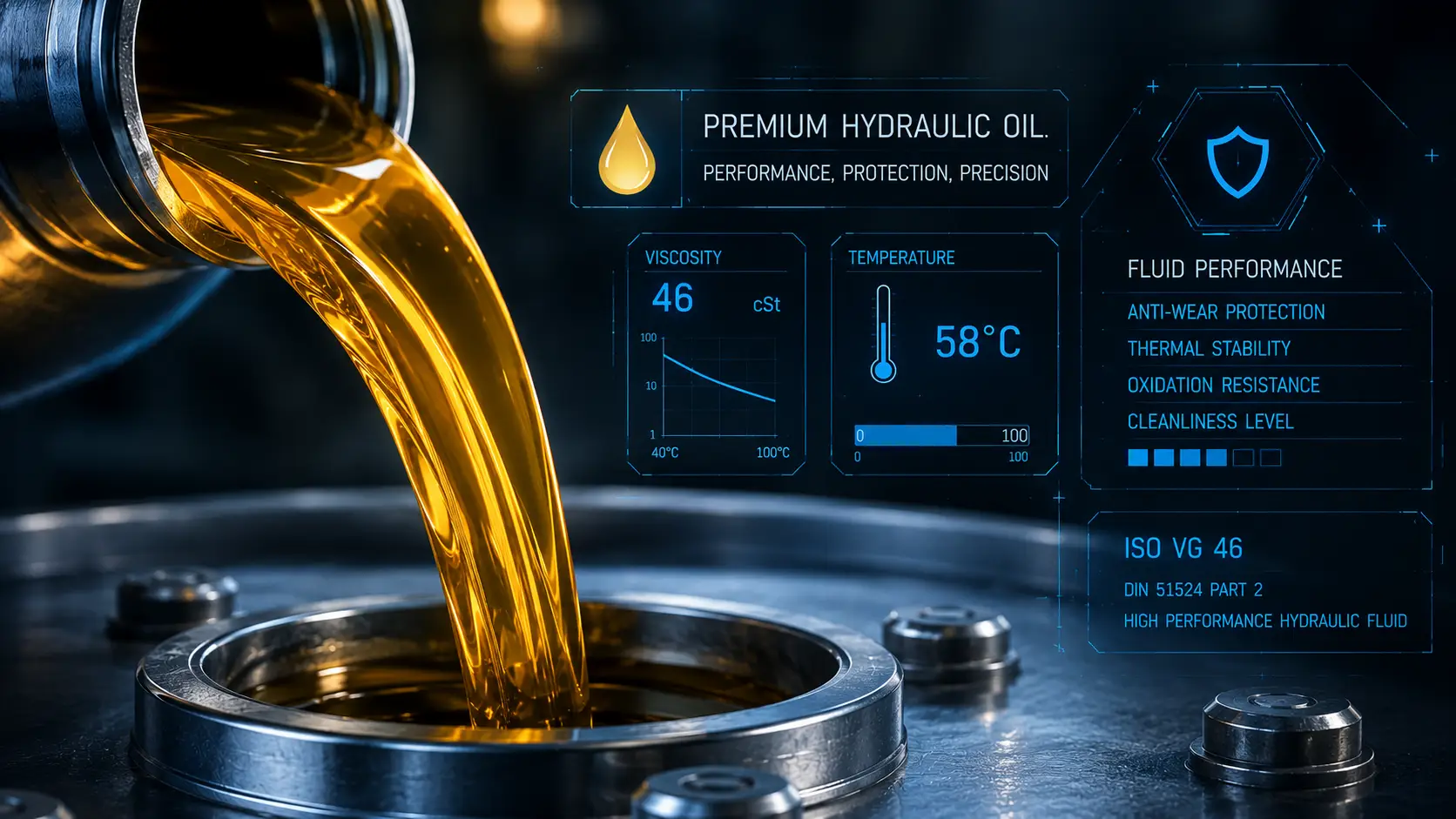
Choosing the right hydraulic oil requires a strict adherence to the manufacturer’s exact engineering specifications and a clear understanding of your local climate. Hydraulic fluids are rated by their viscosity, meaning their physical resistance to flow at specific operating temperatures. If your contracting business operates in freezing winter conditions, you require a thinner, lower-viscosity oil that can flow easily during cold morning startups to prevent pump cavitation. Conversely, a business operating in the blistering summer heat needs a higher-viscosity oil that will not thin out and lose its protective lubricating properties when the machine runs hot.
Aligning your fluid selection with your environmental reality ensures your skid steer performs with unyielding consistency, regardless of the weather outside the cab. Your operators will experience smooth, highly responsive controls that allow them to grade stone and load trucks with absolute confidence. Taking the time to select premium, perfectly matched oil is an investment that pays massive dividends in reliability.
Proven Strategies for Maintaining System Health
Even the highest quality fluid will eventually break down and lose its protective chemical additives after thousands of hours of intense physical labor. Many contractors fall into the dangerous trap of reactive maintenance, waiting until a hose violently bursts or a drive motor completely fails before they ever check the condition of their fluid. This run-to-failure mentality guarantees that your equipment will break down at the absolute worst possible moment, infuriating your clients and destroying your professional reputation.
Proactive hydraulic oil maintenance requires establishing a scheduled routine that operators and mechanics follow with absolute discipline. You must actively monitor the hydraulic sight glass daily, ensuring the fluid remains at the perfect level to prevent air from entering the system. Furthermore, business owners should invest in routine fluid analysis, sending small samples of the oil to a laboratory to check for microscopic metal wear and chemical degradation long before physical symptoms appear.
This highly analytical approach to maintenance transforms your operation from a chaotic, reactive business into a deeply stable, professional enterprise. By changing the heavy-duty hydraulic filters at their recommended intervals and replacing the oil before it loses its viscosity, you secure the absolute highest return on your equipment investment. You demonstrate to your clients and your crew that you run a serious, highly capable organization.
Secure Your Competitive Advantage
The heavy construction industry rewards business owners who respect their tools and operate with meticulous, unwavering discipline. A skid steer loader is an incredibly capable machine, but its true power is dictated entirely by the quality and health of the fluid flowing through its lines. Ignoring your hydraulic system is a guaranteed path to unpredictable performance, massive repair bills, and severe safety hazards on your job sites.
Take a deeply strategic look at your current maintenance protocols today and commit to elevating your standards. By choosing the right hydraulic oil for your environment and relentlessly protecting the system from contamination, you instantly extend the life of your fleet. Empower your operation with flawless hydraulic performance, and build a lasting reputation for uncompromised reliability and excellence in every project you undertake.
1 Comment
Skid Steer Solutions: Boost Job Site Efficiency
May 13, 2026[…] The Lifeblood of Your Machine: Skid Steer Hydraulic Oil.. […]