

Jennile

Effective

Cost-Effective Investment and Operation

Cost-Effective Investment and Operation To make sure they make good profits in the construction and landscaping industries, they need to plan their finances carefully and do their jobs perfectly. Business owners are always looking for reliable ways to cut costs without sacrificing the quality of their services. When you want to grow your fleet of heavy equipment, every purchase decision comes down to one important question: is the machine really worth the money? Many contractors think that to get more work done, they need to buy huge, very expensive traditional machines. This old way of thinking keeps growing businesses stuck with huge monthly equipment loan payments that drain all of their cash. But there is a very powerful alternative that protects your bottom line while giving you a lot of power. Mini skid steers are a great, cost-effective way to solve the problem of heavy equipment. In this full guide, we’ll look at the many ways that adding a compact loader to your daily operations can save you money. You will learn how these machines can greatly lower your initial costs, cut your daily operating costs, and give you a platform that can grow your business over time. Lowering the Barrier to Heavy Equipment Ownership To naturally grow your service capabilities, you need to get the mechanical power you need to do the work. In the past, contractors who wanted to use machines to move dirt or handle materials had to deal with huge financial barriers. The initial cost of a full-sized loader or compact excavator is so high that it easily goes over the annual budget of many small to mid-sized contracting companies. This shocking price shock puts a lot of business owners in a tough spot where they have to rely on expensive daily equipment rentals or hard manual labor. If you rely on rental yards, your profit margins will go down over time. If you do manual labor, you won’t be able to do as much work as you want to. You need a way to get permanent, reliable mechanized power without putting your business in too much debt. Mini skid steers make it very easy to get into owning heavy equipment. You need a lot less money to buy a brand-new compact loader than you do to buy bigger construction equipment. This low price lets independent contractors and small businesses get a very powerful machine without going into too much debt.   The immediate effect on finances is a much healthier balance sheet and cash flow that is much better. The monthly payments are so low that the machine pays for itself after only a few jobs each month. If you keep your cash on hand, you can confidently bid on bigger projects, buy the building materials you need up front, and deal with unexpected economic downturns. Slashing Daily Operating and Fuel Expenses Buying heavy machinery is just the first step in a long-term financial commitment to owning machines. Many contractors make the mistake of getting a big machine, only to find that the daily costs of running it eat up all of their project profits. To move its own heavy frame across the ground, full-sized earthmoving equipment needs huge, powerful diesel engines. These huge engines are like fuel vacuums, sucking up dozens of gallons of expensive diesel fuel every day. Heavy machinery also puts a lot of stress on expensive parts that need to be replaced often, like huge rubber tracks and heavy-duty ground-engaging tools. These constant and high operating costs quickly eat up your money and make it very hard to figure out how much your job site overhead really is. Mini skid steers are very light and well-designed, so they fix this daily cash flow problem. The machine has a much smaller, highly optimized diesel engine because it was made to be small and quick. These power plants use very little fuel during the workday, which cuts down on the number of times you have to go to the commercial diesel pump each week. Over the life of the machine, these daily fuel savings add up to thousands of dollars in money that stays with the company. You do the same tasks for handling and grading materials, but for a lot less money than usual. You can bid on very competitive projects with complete confidence because you have strict control over your daily expenses and your overhead is much lower than that of your competitors. Simplifying Routine Maintenance and Repairs Every hour a machine is broken down in the shop means an hour of lost money and a longer time to finish the project. Heavy machinery needs regular maintenance, but huge loaders have very complicated hydraulic and electronic systems. When a full-sized machine breaks down, you often have to hire expensive, specialized field mechanics to figure out what’s wrong. One problem with owning big equipment is that simple maintenance tasks are very hard and take a lot of time. You often need special heavy-duty tools and big lifts to change the engine oil, replace hydraulic filters that are very dirty, or grease major pivot points. If your crew doesn’t do these hard maintenance tasks, the machine will eventually break down in a way that costs a lot of money. Manufacturers specifically engineer mini skid steers to maximize mechanical accessibility and simplify routine servicing. The engine compartments open widely, placing critical service points like oil dipsticks, air filters, and battery terminals directly within reach. An operator or standard fleet manager can comfortably perform daily preventative maintenance in just a few minutes before the workday begins.   This easy-to-use accessibility means you don’t have to rely on expensive third-party repair shops for basic maintenance. By keeping up with routine maintenance, you actively stop major mechanical problems from happening and greatly extend the life of your investment. Making sure the machine runs smoothly on the job site keeps your workflow going and your profit margins safe. Maximizing ROI Through Fleet Consolidation Contractors often work on
Read More +
Efficiency

Increased Efficiency and Productivity

Increased Efficiency and Productivity Time is the only important, non-renewable resource that every successful construction project needs. Your whole operation works better the faster your crew can finish a hard job without lowering the quality of their work. Unfortunately, delays that you can’t predict, outdated workflows, and extra manual labor costs are always threatening to cut into your carefully planned profit margins. Business owners need to find reliable ways to speed up their daily production schedules while still meeting the high standards that their customers expect. This constant search for operational speed is where compact heavy equipment really shines for professional contractors. A mini skid steer revolutionizes work by simplifying complicated processes in ways that larger, clumsier machines cannot. These machines get rid of the constant friction that usually slows down a busy project because they are very responsive and easy to use. In this full guide, we’ll show you exactly how adding a mini skid steer to your fleet can greatly boost your daily productivity. You’ll learn how these small powerhouses take the hard work out of manual labor, make it easier for you to move things around, and make the most of your on-site workflows. In the end, we’ll show how making operators more comfortable and reducing physical strain leads to a safer and much more profitable contracting business. The High Cost of Manual Labor Workflows Transporting materials and getting the site ready for work are the two most important steps in almost every construction and landscaping project. Crews have to move tons of topsoil, heavy pallets of bricks, and yards of wet concrete from the street to the work area all the time. In the past, contractors have relied on hard work from people to get these hard jobs done. They give their workers regular wheelbarrows and shovels, hoping that their hard work will keep the project on track. The big problem with relying on manual labor is that it’s slow, very expensive, and bad for your workers’ health. There is a limit to how long people can work, and as the day goes on, your crew will naturally slow down because their muscles are so tired. This drop in physical output causes huge workflow problems, making your highly paid skilled tradesmen wait around for basic materials to show up. Also, pushing your workers to their limits will lead to a rise in expensive workers’ compensation claims and a lot of employees leaving. With a mini skid steer, you don’t have to do any more tiring manual earthmoving because it brings mechanized power directly to the job. A single operator can easily do tasks that usually take three or four people pushing heavy wheelbarrows through thick mud. The machine picks up huge loads of heavy gravel with ease and moves them smoothly over the toughest terrain you can imagine. This quick switch from human power to hydraulic power changes the speed of your whole project in a big way. This mechanization has a huge effect on the real world: it makes your daily completion rates go up by a lot and makes your crew’s work less physically demanding. You can keep your workers focused on the high-value installation work that makes money by moving them away from basic material transport. Your team stays fresh, motivated, and very productive from the first hour of the morning until the last bell rings. In addition to the physical work on the site, how quickly you can get your equipment to the project is also very important for efficiency. Streamlining Equipment Transportation and Deployment Getting a good contract across town is great news for your business, but moving your heavy equipment to that new location can be a huge pain in the neck. Moving heavy equipment is a complicated process that is heavily regulated and requires careful planning and a lot of money. When a contractor only uses big excavators or full-sized loaders, it becomes very hard for them to move from one job site to another. The main problem with big machines is that they need special commercial trucks, very large trailers, and drivers who have commercial driver’s licenses (CDLs). It takes a lot of time and money to plan this huge transportation effort, and it costs hundreds of dollars in special fuel and permit fees. If the driver of your dedicated transport truck gets sick or the truck breaks down, your huge loader will be stuck on the storage lot. Every hour that machine has to wait for a ride is an hour of lost money and a big delay in your project. Because of their small size and light weight, mini skid steers completely avoid this huge logistical nightmare. You don’t need a big commercial semi-truck to move these machines around the county. A regular heavy-duty pickup truck and a basic utility trailer can easily carry a mini skid steer and some of its most important attachments. In the morning, your foreman can easily hook up the trailer, load the machine in less than five minutes, and drive straight to the new job site. This easier transportation process cuts down on your logistical downtime by a lot and cuts your heavy equipment transport budget by a lot. Contractors who work on a lot of small projects in different neighborhoods can easily move the machine two or three times in one day without it getting in the way of their work. Less time spent dealing with complicated logistics means a lot more time spent doing real work that can be billed. Once the machine is successfully taken off the trailer, the next most important thing for your bottom line is how well it can move around the site. Rapid Positioning and Workflow Optimization A busy construction site is a messy place with workers moving around, building materials scattered everywhere, and fragile structures that are already there. To get through this maze, you need equipment that can move exactly without getting in the way of the work going on
Read More +
skidsteerloaders

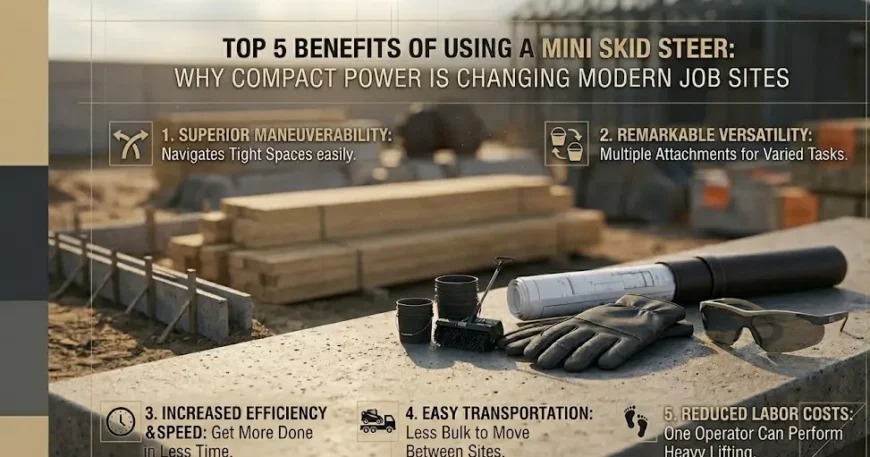
Top 5 Benefits of Using a Mini Skid Steer: Why Compact Power is Changing Modern Job Sites

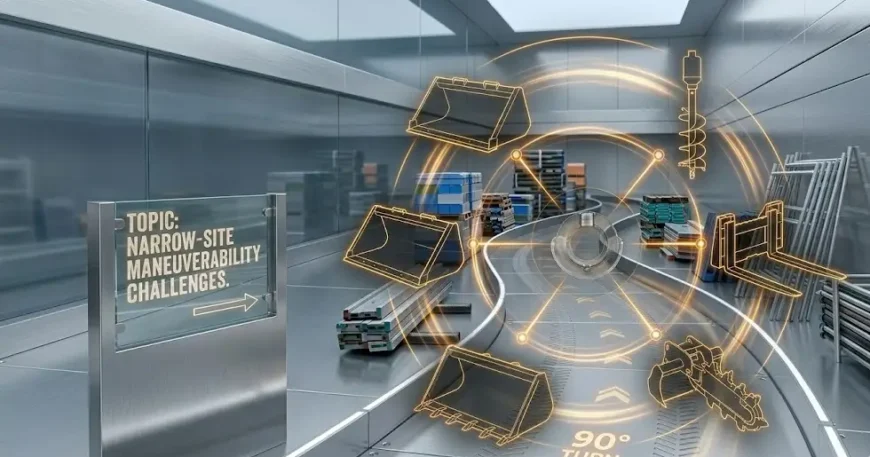
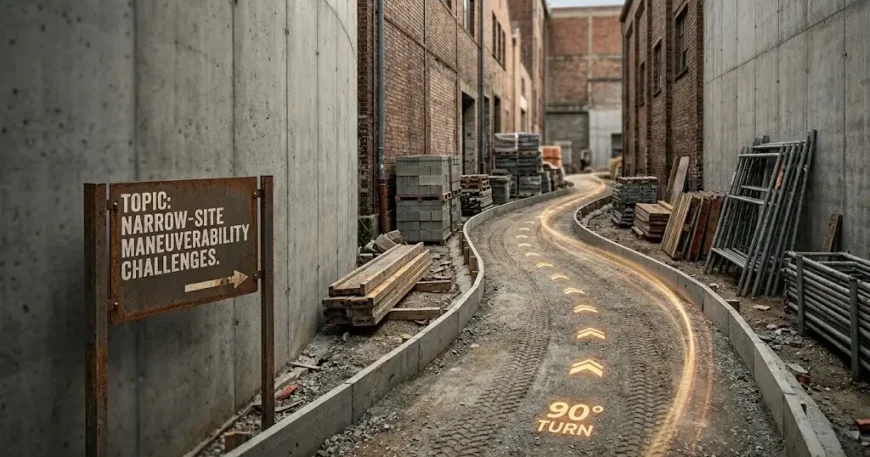
Mini Skid Steer In today’s construction and landscaping world, the pace of work has changed dramatically. Deadlines are tighter, job sites are more complex, and clients expect both speed and precision without compromise. Efficiency is no longer something that simply gives you an edge—it’s something you must have just to stay competitive. Whether you’re a contractor managing multiple projects, a landscaper working in residential areas, or a property owner handling your own upgrades, the pressure to do more with less is constant. Less time, less space, fewer resources—but still delivering top-tier results. The mini skid steer has established itself as one of the most valuable machines on modern job sites. At first glance, it’s easy to underestimate it. Its compact size might suggest limitations. But in reality, that compact design is precisely what gives it an advantage. A mini skid steer isn’t trying to compete with larger machines—it’s solving problems those machines can’t handle efficiently. What makes it truly powerful is the combination of agility, strength, and versatility. It’s a machine designed for real-world conditions, not just open construction sites. And once you understand its core benefits, it becomes clear why more professionals are making it a central part of their operations—not just an optional tool. Let’s take a deeper look at why mini skid steers are becoming essential equipment across industries. 1. Exceptional Maneuverability in Tight Spaces One of the biggest challenges on any job site is space—or more specifically, the lack of it. Not every project takes place in wide-open areas. In fact, many of today’s jobs happen in environments where space is limited and precision matters more than raw power. Think about residential backyards, narrow alleyways, indoor demolition sites, or urban construction zones surrounded by existing structures. This is where traditional equipment often becomes inefficient. Larger skid steers or heavy machinery may offer more horsepower, but they struggle when space is restricted. Turning becomes difficult, positioning takes longer, and the risk of accidental damage increases. A mini skid steer is designed with these exact challenges in mind. Its compact frame allows it to move through tight pathways that larger machines simply can’t access. It can navigate around obstacles with ease, handle sharp turns, and operate in confined areas without constant repositioning. This level of control gives operators the confidence to work closer to structures, fences, and delicate features without compromising safety. But maneuverability isn’t just about fitting into small spaces—it’s about working efficiently within them. When a machine can move smoothly and precisely, tasks get completed faster. There’s less time wasted adjusting position, less back-and-forth movement, and fewer interruptions. Over the course of a project, this adds up to significant time savings. Even more importantly, this precision helps reduce costly mistakes. Damaging a client’s property, landscaping, or surrounding structures can quickly turn a profitable job into an expensive one. A mini skid steer minimizes that risk, allowing operators to maintain accuracy while still working quickly. In many cases, it’s not about having the biggest machine—it’s about having the right one. And when space is limited, nothing performs quite like a mini skid steer. 2. Versatility Through Multi-Functional Attachments If there’s one feature that truly sets the mini skid steer apart, it’s its ability to transform.At its core, a mini skid steer is not just a machine—it’s a platform. What it can do depends largely on the attachments you pair with it. And that’s where its real value becomes clear. Instead of investing in multiple specialized machines, you can use one compact unit to handle a wide range of tasks. With the right attachments, a mini skid steer can shift seamlessly between roles throughout a single project. In the morning, it might be digging trenches for utility lines. By midday, it could be grading soil or moving materials. Later in the day, it might switch to lifting, hauling, or even clearing debris.This level of flexibility changes how work gets done. Traditionally, different phases of a project would require different equipment. That means coordinating machine availability, managing transport, and dealing with downtime during transitions. Every switch slows the workflow. With a mini skid steer, those transitions become almost effortless. Attachments can be swapped quickly, allowing operators to move from one task to another without significant delays. And the range of available attachments is extensive. Buckets, augers, trenchers, grapples, forks, and more—each one expands what the machine can accomplish. It’s not just about convenience; it’s about maximizing productivity with minimal resources. For contractors and business owners, this versatility directly impacts profitability. Instead of tying up capital in multiple machines, you can invest in one highly adaptable system. It reduces equipment costs, simplifies logistics, and ensures you’re always ready to handle different job requirements. In an industry where flexibility is key, having a machine that can adapt instantly is a powerful advantage. 3. Increased Efficiency and Productivity Every job site operates on one critical resource: time. The faster you can complete a task without sacrificing quality, the more efficient—and profitable—your operation becomes. Delays, inefficiencies, and unnecessary labor costs all eat into margins. This is another area where mini skid steers excel. Because of their compact design and ease of operation, they streamline workflows in ways that larger machines often cannot. They’re quick to position, easy to transport, and simple to operate, which reduces downtime and keeps projects moving forward. Tasks that would normally require multiple workers using manual labor can often be completed by a single operator using a mini skid steer. This doesn’t just speed up the process—it also reduces physical strain on workers, improving overall job site safety and consistency.Another key factor is operator comfort. Modern mini skid steers are designed with intuitive controls and ergonomic layouts. This might seem like a small detail, but over the course of a long workday, it makes a significant difference. When operators are comfortable and less fatigued, they can maintain higher levels of focus and performance. This leads to better results and fewer errors. Transport is another area where efficiency improves. Larger
Read More +
Mini Skid Steer

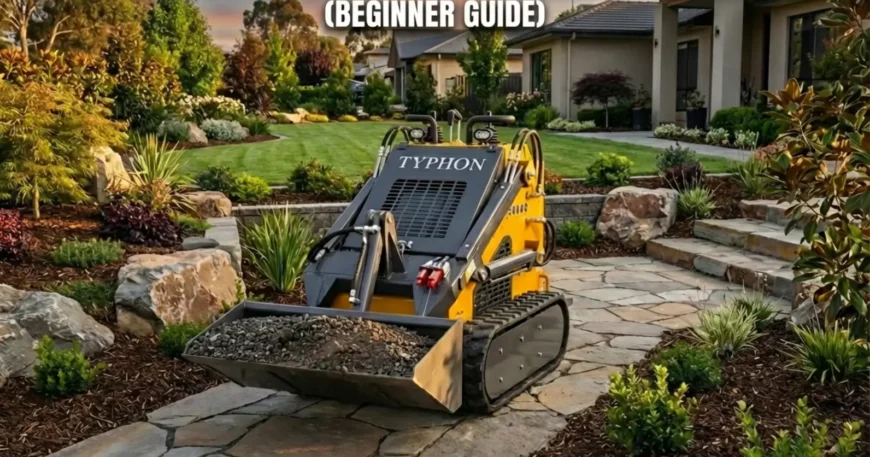
What Is a Mini Skid Steer? (Beginner Guide & General )

Mini Skid Steer When you walk onto a busyjob site, you can see how hard it is to find a balance between raw power and strategic efficiency. For a long time, it was hard for contractors to decide what to do when they had to work on hard projects in small spaces. You either pushed a big, heavy piece of machinery into a space where it didn’t belong, or you made your crew work long hours doing hard, unprofitable manual work. Neither option would have worked for a construction or landscaping business that was growing. The small skid steer loader changed the way professionals deal with these kinds of problems in a big way. These amazing machines fit in between wheelbarrows and big earthmovers. They send a lot of hydraulic power into small backyards and narrow streets in cities. If you want to grow your business, you need to know what this equipment can do. This complete guide for beginners will tell you what a mini skid steer is and how it works on the job site. We will talk about the main differences between compact and full-sized models, compare walk-behind and stand-on models, and list the most common uses in different fields. You’ll know exactly why these machines are so popular and how they can help your business make a lot more money every day by the end of this article. Defining the Compact Hydraulic Powerhouse Every new mechanical invention begins with a strong desire to solve a simple problem at work. Contractors often had to move heavy things, but regular tractors couldn’t get to the places where they were. Moving heavy pallets of retaining wall block or yards of dense topsoil by hand hurts the crew’s spirits and makes the project take longer. The industry really needed a machine that could do the work of a big loader but fit in a regular wheelbarrow. A mini skid steer is a small machine with an engine and hydraulic lift arms that can use a lot of different tools. This machine doesn’t steer by turning the front wheels like a regular car does. Instead, it turns by changing the speed of the left and right tracks or wheels. This is what makes the machine special: it lets it “skid” across the ground. It can spin all the way around without leaving a mark. This amazing ability to turn without a radius means you don’t have to make wide, awkward turns in tight spaces anymore. A very powerful diesel or gas engine powers the machine and its complicated system of internal hydraulic pumps. This hydraulic system not only gives the tracks the power they need to move, but it also gives the attachments on the front a lot of power all the time. This engineering makes your daily tasks a lot easier in real life. This machine can do the work of a whole crew of manual workers in a fraction of the time. Using hydraulic power instead of wheelbarrows will help your workers stay healthy and not get too tired. The switch from doing things by hand to doing them automatically is what makes a modern contracting business so successful. Mini Versus Full-Size Skid Steers You need to know what each type of machine can and can’t do in order to build a good fleet of equipment. Many traditional contractors believe that larger machinery invariably yields superior and more expedient outcomes. The biggest problem with full-size skid steers is that they are too heavy and too wide to be useful in tight or delicate spaces. Using a full-size loader on a finished residential property almost always causes a lot of damage to the grass, cracks in the concrete driveways, and high costs for fixing the site. The mini skid steer was made to work in places where bigger machines can’t. The most obvious difference is their size; compact models are usually less than thirty-six inches wide. The compact loader’s narrow shape makes it easy to fit through standard residential garden gates and move through narrow city alleys. You would have to take down the client’s whole fence to get to the work area in the backyard if you had a full-size machine. The difference in operating weight has a big effect on how you handle your logistics and keep the job site safe, in addition to just being able to get to it. The difference in operating weight has a big effect on how you handle your logistics and keep the job site safe, in addition to just being able to get to it. To move full-size loaders, you usually need heavy-duty commercial transport trucks, specialized trailers, and drivers with commercial licenses. The compact skid steer loader, on the other hand, is very light, so you can easily tow it behind a regular heavy-duty pickup truck. This simple logistics saves your business thousands of dollars in shipping costs and lets you move the machine to several sites in one day. Also, the ground pressure on the terrain is much lower because the compact model is lighter. A big loader will sink into soft mud and leave big ruts on a clean lawn, but a mini loader will move smoothly over the surface. This better flotation protects the client’s property, saves you money on landscaping repairs after the project is done, and keeps your reputation as a professional. You keep your hard-earned profit margins when you choose the compact option instead of wasting them on collateral damage that isn’t needed.   Navigating Walk-Behind Versus Stand-On Models Once you see how useful compact machinery is, you need to decide which way to set it up for your daily tasks. Most companies make these machines in two styles: walk-behind and stand-on. People who buy new equipment need to know how the operator’s body position affects safety, visibility, and long-term fatigue on the job site. If you pick the wrong configuration, operators might get mad and production might slow down. The walk-behind model
Read More +
mini-skid-steer-maintenance-cleaning-tips

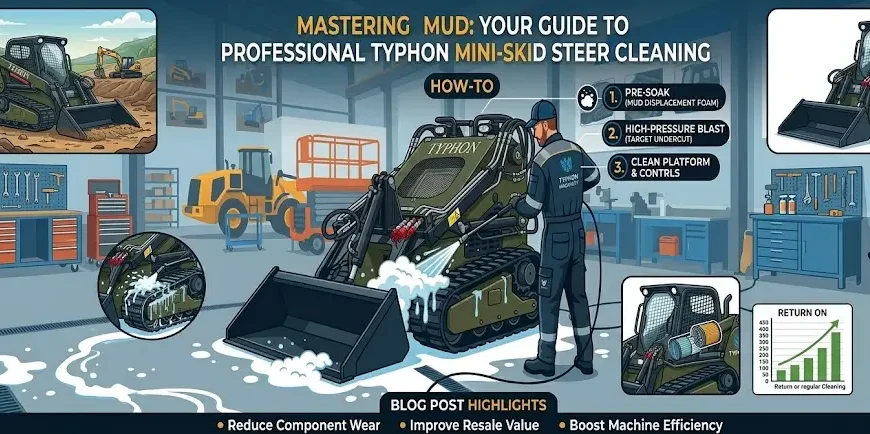
3 Essential Ways to Clean Your Mini Skid Steer After Every Job

Introduction At the end of a long workday, when the dust settles and the engine finally goes quiet, most operators are ready to move on. The job is done, deadlines are met, and attention quickly shifts to the next task. But what happens in those final minutes—after the machine is turned off—often determines how well it performs tomorrow. A mini skid steer is built to handle tough environments: mud, debris, gravel, concrete dust, and organic material. Yet, the same conditions that make it valuable also accelerate wear if not managed properly. Cleaning is often treated as a minor routine, but in reality, it is one of the most critical maintenance habits a contractor can develop. The difference between a machine that lasts two years and one that performs reliably for five or more often comes down to simple post-use care. Cleaning is not about appearance—it is about protection, efficiency, and long-term cost control. Understanding how to clean your mini skid steer properly is not complicated, but doing it correctly—and consistently—requires intention. There are three core practices that, when done right, will dramatically improve your machine’s durability and performance 1. Removing Heavy Debris Before It Becomes a Mechanical Problem Every job site leaves a mark on your machine. Soil packs into crevices, gravel wedges itself into moving parts, and organic material clings to the undercarriage. While it may seem harmless in the short term, accumulated debris is one of the most common causes of premature wear. The real issue is not the dirt itself, but what it does over time. Debris traps moisture, creates friction, and interferes with moving components. Tracks begin to wear unevenly, rollers struggle under added resistance, and hydraulic components are forced to work harder than designed. The most effective approach starts immediately after use, before debris has time to harden or settle. By physically removing large clumps of dirt, mud, and materials from the undercarriage, bucket, and attachment points, you prevent buildup from turning into a structural issue. This step is especially critical for contractors working in wet or clay-heavy environments, where material can harden almost like concrete if left overnight. A few minutes spent clearing out these areas preserves mobility, reduces strain on the drive system, and ensures the machine is ready for the next job without resistance. Once the bulk of the debris is removed, the machine becomes much easier—and safer—to clean in more detail, which leads directly into the next step. 2. Washing with Control: Protecting Components While Cleaning Effectively Water is one of the most powerful tools for cleaning a mini skid steer, but it is also one of the most misunderstood. Many operators rely on high-pressure washing as a quick solution, blasting away dirt without considering the potential consequences. The challenge lies in balance. While water effectively removes fine dust and residue, excessive pressure can force contaminants into sensitive areas such as bearings, seals, electrical connections, and hydraulic fittings. Over time, this can lead to corrosion, electrical faults, and system failures that are far more costly than the dirt you were trying to remove. A controlled wash focuses on targeted cleaning rather than brute force. The goal is to rinse away remaining debris while respecting the integrity of the machine’s components. Areas such as the engine compartment, hydraulic lines, and control panels require a more careful approach, avoiding direct high-pressure exposure. When done correctly, washing does more than improve appearance. It enhances cooling efficiency by removing dust from vents and radiators, reduces overheating risks, and prevents abrasive particles from circulating within the system. For contractors operating in dusty or high-temperature environments, this step becomes even more critical. A clean machine runs cooler, operates more efficiently, and experiences fewer unexpected shutdowns. Once the machine is clean on the surface, attention must shift to something less visible—but equally important. 3. Drying and Inspecting: Turning Cleaning Into Preventive Maintenance Cleaning should never end with water. What happens after washing is where true long-term value is created. Moisture left on the machine can quietly undo all the benefits of cleaning, leading to rust, corrosion, and gradual component degradation. Drying is not just about removing water—it is about preparing the machine for its next cycle of work. Allowing the skid steer to air dry in a well-ventilated space or using compressed air to clear trapped moisture ensures that critical areas remain protected but this stage offers something even more valuable: visibility. A clean machine reveals what a dirty one hides. Small hydraulic leaks, loose bolts, worn hoses, or early signs of damage become much easier to detect when surfaces are free from grime. This transforms a simple cleaning routine into an opportunity for preventive maintenance. For business owners and operators, this is where real cost savings emerge. Catching a minor issue early can prevent major downtime, expensive repairs, and project delays. It shifts maintenance from reactive to proactive—a key difference between struggling operations and efficient, profitable ones. This habit, repeated consistently, builds a deeper understanding of your machine’s condition over time. You begin to notice patterns, anticipate wear, and make smarter decisions about servicing and part replacement. The Hidden Cost of Skipping Post-Use Cleaning It is easy to underestimate the impact of skipping cleaning, especially when schedules are tight. However, the consequences rarely appear immediately. Instead, they accumulate quietly—reduced efficiency, increased fuel consumption, and gradual component failure. Machines that are not cleaned regularly tend to run hotter, experience more friction, and require more frequent repairs. Attachments become harder to swap, controls may feel less responsive, and performance begins to decline in subtle but measurable ways. For contractors managing multiple projects, this translates into lost time and reduced productivity. What seems like a minor shortcut at the end of the day can lead to significant operational setbacks over weeks or months. Understanding this long-term impact reframes cleaning as an investment rather than a chore. It becomes part of the workflow, not an optional add-on. Building a Routine That Supports Productivity The most successful operators treat cleaning as part of the job, not something
Read More +
mini-skid-steer-beginner-guide

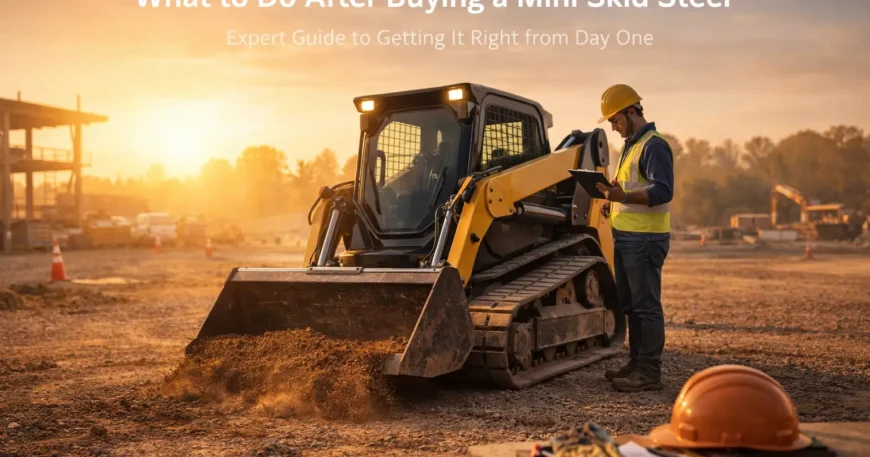
What to Do After Buying a Mini Skid Steer: An Expert Guide to Getting It Right from Day One

Introduction Purchasing a mini skid steer often feels like a turning point for contractors and business owners. It’s not just another piece of equipment—it’s a step toward greater efficiency, independence, and job capability. Yet, what many new owners underestimate is that the real value of the machine is not unlocked at the moment of purchase, but in the decisions made immediately after. Too often, machines that should deliver years of reliable performance begin to show early signs of wear, inefficiency, or even failure—not because of manufacturing issues, but because of overlooked fundamentals during the first days of ownership. The difference between a machine that becomes a long-term asset and one that turns into a costly liability often comes down to how it is introduced into operation. Understanding what to do after buying a mini skid steer is not about following a checklist—it’s about setting a foundation for performance, durability, and return on investment. Understanding Your Machine Beyond the Surface(Mini Skid Steer) When a new mini skid steer arrives on-site, the natural instinct is to put it straight to work. After all, time is money, and every idle hour feels like lost productivity. However, rushing into operation without truly understanding the machine is one of the most common and costly mistakes. Every skid steer, regardless of brand or model, has its own operational characteristics. Hydraulic response, load balance, control sensitivity, and attachment behavior can vary in subtle but important ways. Without taking the time to understand these nuances, operators often compensate unconsciously—leading to inefficient movements, increased fuel consumption, and unnecessary strain on components. Spending time with the machine in a controlled environment allows operators to build a sense of control that cannot be learned under pressure. This early familiarity translates directly into smoother operation, reduced wear, and a noticeable improvement in job site precision. More importantly, it establishes a level of confidence that prevents hesitation or overcorrection during real work scenarios. This deeper understanding naturally leads to a more important realization: performance is not just about operation—it begins with condition. Establishing a Baseline Through Initial Inspection Even brand-new machines are not immune to imperfections. Transport vibrations, assembly tolerances, and environmental exposure during shipping can all introduce minor issues that, if left unchecked, evolve into major problems. The initial inspection is not simply a precaution—it is the moment where ownership truly begins. By carefully examining fluid levels, hydraulic connections, fasteners, and moving parts, operators establish a baseline condition for the machine. This baseline becomes a reference point for all future maintenance and troubleshooting. What makes this step critical is not just the act of checking, but the awareness it creates. When an owner knows exactly how the machine looked, sounded, and performed at the beginning, any deviation becomes immediately noticeable. This early detection capability can prevent downtime, reduce repair costs, and extend the overall lifespan of the equipment. With a clear understanding of the machine’s condition, attention naturally shifts toward how it is used in its earliest hours. Breaking In the Machine the Right Way The first hours of operation are often the most underestimated phase of a machine’s life. While modern engines and hydraulic systems are built with precision, they still require a period of gradual adaptation under load. Pushing a new mini skid steer to its limits too early can create microscopic wear patterns that compromise long-term efficiency. Components such as piston rings, hydraulic seals, and bearings need time to settle into their optimal working state. When this process is rushed, the result is often reduced performance and increased maintenance requirements later on. A controlled break-in period allows the machine to adapt under varying loads and speeds. This approach not only protects internal components but also provides operators with a better understanding of how the machine responds under different conditions. Over time, this leads to more intuitive operation and a noticeable improvement in fuel efficiency and power delivery. As the machine begins to settle into regular use, another critical factor comes into play—how well it is supported through maintenance. Building Maintenance Habits That Prevent Downtime In the construction world, downtime is more than an inconvenience—it is a direct hit to profitability. Yet, many equipment owners fall into a reactive maintenance mindset, addressing issues only after they become visible or disruptive. The most successful operators take a different approach. They treat maintenance as a continuous process rather than an occasional task. From the very beginning, small habits such as regular cleaning, consistent lubrication, and routine checks become part of daily operations. What makes these habits powerful is their cumulative effect. A machine that is consistently maintained experiences less friction, fewer unexpected failures, and a longer operational life. It also retains its performance characteristics, allowing operators to work with the same level of efficiency months or even years after purchase. This consistency creates reliability—and reliability is what allows a machine to truly integrate into a business workflow. Choosing and Using Attachments Strategically One of the defining advantages of a mini skid steer is its versatility. With the right attachments, a single machine can perform the work of multiple specialized tools. However, this versatility can quickly become a weakness if attachments are chosen or used without strategy. Each attachment changes the way the machine distributes weight, applies force, and interacts with the ground. Using the wrong attachment—or using the right one incorrectly—can reduce efficiency and place unnecessary stress on the machine. Experienced operators understand that attachments are not just accessories; they are extensions of the machine’s capability. Selecting the right attachment for each task ensures smoother operation, faster completion times, and reduced wear on both the machine and the attachment itself. As attachment use becomes more refined, the focus naturally shifts toward protecting the machine when it is not actively working. Protecting Your Investment Through Proper Storage and Care A mini skid steer does not stop aging when it is turned off. Environmental factors such as moisture, heat, and dust continue to affect its components even when it is idle. Over time,
Read More +

Mini Skid Steer Maintenance: 5 Steps to Keep Your Machine Running Like New

Introduction There’s a certain moment every contractor recognizes—the instant a machine doesn’t respond the way it should. The controls feel sluggish, the engine sounds slightly off, or the hydraulics don’t deliver the same sharp power they did weeks ago. With a mini skid steer, those subtle changes are often the first warning signs of something deeper. And in a business where time is money, ignoring those signals can quickly turn into downtime, expensive repairs, and lost opportunities. Mini skid steers are built for versatility and efficiency. They squeeze into tight job sites, handle multiple attachments, and often work longer hours than their larger counterparts. But that convenience comes with a cost: these compact machines are pushed hard, often in demanding environments where dust, debris, and heavy loads are constant factors. The difference between a machine that lasts five years and one that performs like new for a decade often comes down to maintenance—not just routine checks, but thoughtful, consistent care. Proper maintenance isn’t about reacting to problems; it’s about preventing them before they start. In this guide, we’ll walk through five essential steps to maintain your mini skid steer the right way. Each step is grounded in real-world job site conditions and focuses on what actually matters: performance, reliability, and long-term value. Step 1: Daily Inspection – The Habit That Prevents Costly Downtime Every experienced operator knows that most major equipment failures don’t happen suddenly—they build over time. A loose hose, a small fluid leak, or a worn track doesn’t cause immediate shutdown, but left unnoticed, it can escalate into a serious issue. That’s where daily inspections come in. Before starting your mini skid steer each day, taking just a few minutes to walk around the machine can make a significant difference. This isn’t about following a rigid checklist—it’s about developing a trained eye for what “normal” looks like. Once you know how your machine should appear and sound, even small deviations become obvious. Hydraulic hoses deserve particular attention. Because mini skid steers rely heavily on hydraulics for lifting, digging, and attachment operation, even a minor crack or leak can lead to reduced performance and eventual system failure. Catching that early not only saves repair costs but prevents job interruptions. Tracks or tires are another critical point. Uneven wear or embedded debris can affect traction and stability, especially on uneven terrain. Operators who ignore this often find themselves dealing with premature replacements or reduced efficiency on site. Fluid levels—engine oil, hydraulic fluid, and coolant—should never be assumed. Low levels don’t just reduce performance; they accelerate internal wear. Over time, this leads to expensive repairs that could have been avoided with a simple check. What makes daily inspection powerful is not the time it takes, but the problems it prevents. It creates a baseline of reliability, allowing the rest of your maintenance strategy to build on a solid foundation. Step 2: Hydraulic System Care – Protecting the Core of Your Machine If the engine is the heart of your mini skid steer, the hydraulic system is its muscle. Every movement, from lifting loads to operating attachments, depends on clean, properly functioning hydraulics. Yet, it’s also one of the most commonly neglected systems. The challenge with hydraulics is that problems often develop internally before becoming visible. Contaminated fluid, for example, doesn’t immediately cause failure. Instead, it slowly damages pumps, valves, and seals, reducing efficiency over time until performance noticeably drops. Regularly checking hydraulic fluid quality is essential. Clean fluid should have a consistent color and be free of debris. When it becomes dark or milky, it’s a sign of contamination—either from dirt or moisture. Ignoring this leads to increased friction inside the system, which ultimately shortens the lifespan of critical components. Filters play an equally important role. They act as the first line of defense against contaminants, but once clogged, they lose effectiveness. Replacing hydraulic filters at recommended intervals ensures that the system continues to operate smoothly under pressure. Another often overlooked factor is heat. Hydraulic systems generate significant heat during operation, especially in demanding tasks like trenching or grading. Overheating can break down fluid properties, reducing lubrication and increasing wear. Ensuring proper cooling and avoiding prolonged overloading can make a significant difference in system longevity. Taking care of the hydraulic system isn’t just about avoiding repairs—it directly impacts performance. A well-maintained system delivers smoother operation, better control, and more efficient power transfer, all of which translate into faster, more precise work on site. Step 3: Engine and Oil Maintenance – Extending the Life of Your Investment The engine is where raw power is generated, but it’s also where neglect becomes most expensive. Unlike visible components, engine wear happens internally, often without immediate warning signs. By the time performance drops noticeably, damage has already occurred. Oil is the engine’s primary defense against wear. It lubricates moving parts, reduces friction, and helps dissipate heat. Over time, however, oil breaks down and accumulates contaminants. When that happens, it stops protecting the engine effectively. Regular oil changes are not just a recommendation—they are essential. Skipping or delaying oil changes leads to increased friction between engine components, accelerating wear and reducing efficiency. In severe cases, it can lead to complete engine failure. Air filters are another critical element. Mini skid steers often operate in dusty environments, where airborne particles can quickly clog filters. When airflow is restricted, the engine has to work harder, consuming more fuel and generating additional heat. Replacing air filters regularly ensures optimal combustion and performance. Fuel quality also plays a role. Contaminated fuel can introduce particles into the engine system, causing injector issues and reduced efficiency. Using clean, high-quality fuel and maintaining the fuel filter helps prevent these problems. Engine maintenance is about consistency. When properly maintained, an engine doesn’t just last longer—it performs better, delivering consistent power and fuel efficiency across every job. This reliability is what keeps projects on schedule and budgets under control. Step 4: Cleaning After Use – The Most Underrated Maintenance Practice At the end of
Read More +
Cart

No products in the cart.
Select the fields to be shown. Others will be hidden. Drag and drop to rearrange the order.
  • Image
  • SKU
  • Rating
  • Price
  • Stock
  • Availability
  • Add to cart
  • Description
  • Content
  • Weight
  • Dimensions
  • Additional information
Click outside to hide the comparison bar
Compare