
What Should I Search When Buying a Skid Steer?
Buying a skid steer is a significant decision, and the search that leads up to it often determines whether you end up with a machine that earns its keep or one that quietly drains your budget. The trouble is that listings, spec sheets, and dealer pitches throw a wall of numbers and terms at you, and it is easy to fixate on the wrong ones. A machine that looks like a bargain on price can prove far too small for your work, while a powerful model can cost more than your jobs justify. Knowing exactly what to search for, and why each detail matters, is what separates a confident purchase from an expensive guess.
This guide is written for contractors, landscapers, construction business owners, property developers, farmers, and first-time equipment buyers who want to shop with clarity. We will walk through the specifications that define what a machine can actually do, the difference between wheeled and tracked models, how to read hours and condition honestly, what new versus used really means for your wallet, and why brand reputation, dealer support, and total cost of ownership belong in every search. By the end, you will know how to evaluate any listing with confidence and choose a skid steer that fits your work for years.
Start With Operating Weight and Rated Operating Capacity
Before you compare prices or admire features, two specifications should anchor your entire search: operating weight and rated operating capacity. These numbers define the class of machine you are looking at and, more importantly, define what it can safely lift and carry. Rated operating capacity, often abbreviated ROC, tells you how much the machine can handle as a percentage of its tipping load, and it is the single clearest indicator of whether a skid steer suits your daily tasks.
The mistake many first-time buyers make is searching purely by price and ignoring capacity, then discovering on the jobsite that the machine cannot lift a full pallet of pavers or a loaded bucket of wet soil without tipping forward. That limitation does not appear in a showroom, but it surfaces fast when your crew is straining the machine on every load. Undersized capacity slows the work, stresses the equipment, and quietly caps the jobs you can take.
When you search, filter by ROC ranges that match your heaviest regular loads rather than your average ones. A landscaper moving mulch and sod has very different needs from a contractor setting block or feeding a grapple. Match operating weight to your transport limits too, since a heavier machine may exceed what your trailer and truck can legally haul. Get these two numbers right, and the machine becomes a genuine extension of your crew. With capacity settled, the next thing to search for is the power that drives every function.
Search for Horsepower and Hydraulic Flow Together
Horsepower tells part of the story, but on a skid steer the more revealing specification is hydraulic flow, and the two deserve to be searched together. Horsepower governs the engine’s overall strength, while hydraulic flow determines how effectively the machine powers its attachments. A skid steer earns its versatility through the tools it can run, and those tools live or die on hydraulic performance, so this is where many buyers either unlock value or accidentally limit it.
The problem is that buyers often search for horsepower alone, assuming a strong engine means a capable machine. Then they buy an auger, a cold planer, or a mulcher only to find the standard hydraulic flow cannot drive it properly. High-flow attachments demand high-flow hydraulics, and discovering that gap after purchase is a painful and avoidable lesson that permanently narrows what the machine can do.
In your search, look closely at both standard and high-flow hydraulic options, and note the gallons-per-minute and pressure ratings. If you plan to run demanding attachments now or in the future, prioritize a high-flow machine even at a higher price, because it preserves your flexibility. A machine with strong, well-matched hydraulics turns into a true multi-tool that handles dozens of tasks, expanding the work you can bid on without buying a second machine. That capability only pays off, though, when the attachments themselves connect cleanly, which is the next thing to confirm.
Confirm Attachment Compatibility and Coupler Type
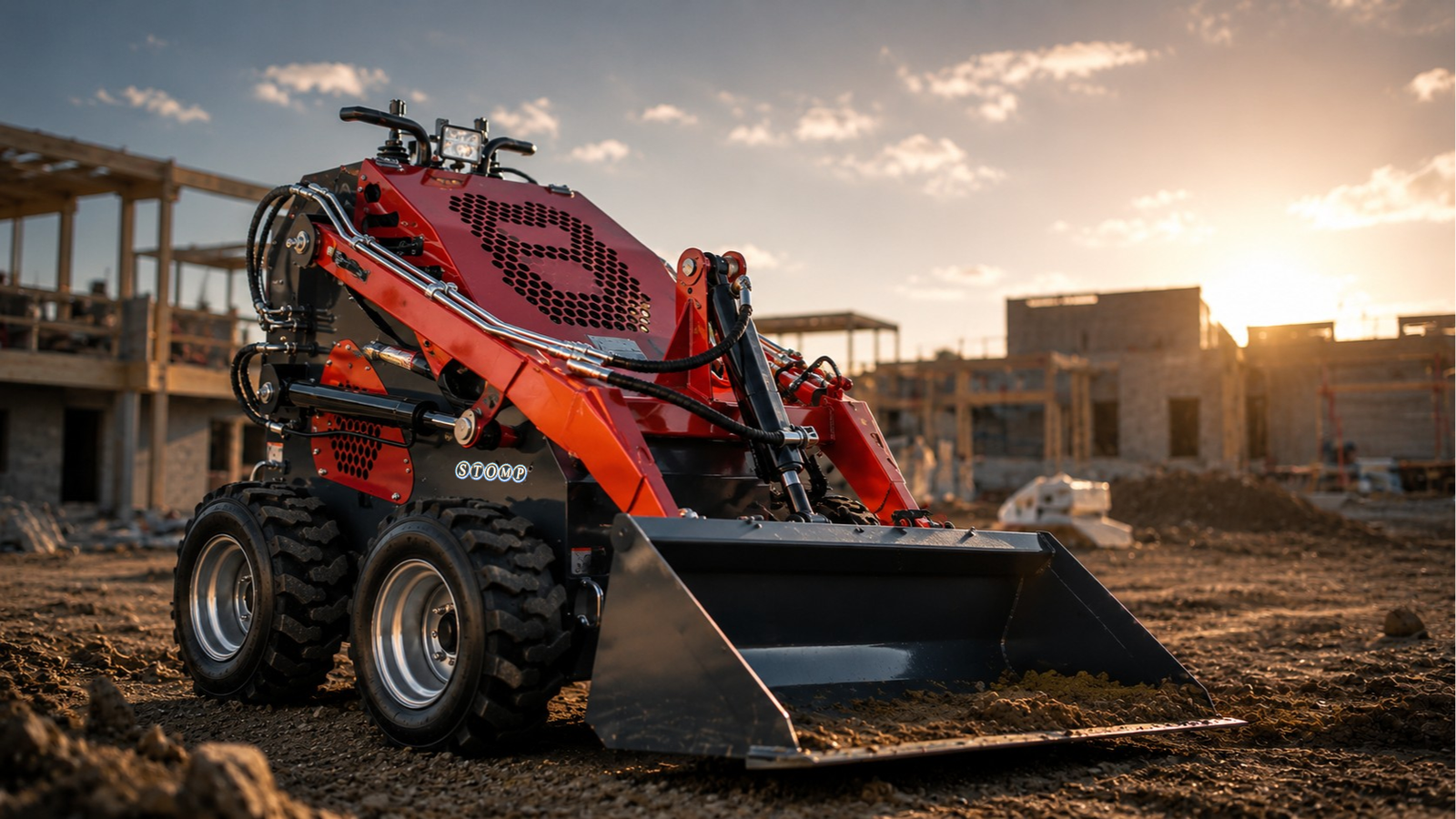
A skid steer’s real value lies in how many jobs it can perform, and that depends entirely on attachment compatibility. The same machine that loads gravel can drill post holes, break concrete, grind stumps, sweep lots, or grip debris, but only if the coupler, hydraulics, and mounting all align with the tools you intend to run. This is one of the most overlooked search criteria, yet it shapes the machine’s usefulness for its entire working life.
The limitation buyers frequently hit is assuming any attachment fits any machine. In reality, coupler systems vary, and a tool built for one mounting standard may not lock onto another without adapters or modifications. Hydraulic flow and connection type matter just as much, since an attachment that physically mounts may still fail to perform without the right flow behind it.
When you search, look for machines with a universal quick-attach coupler, which is the most common standard and gives you the broadest selection of compatible tools. Confirm whether the coupler is manual or hydraulic, since a hydraulic coupler lets operators switch attachments in seconds without leaving the cab. Verify that the attachments you already own, or plan to buy, will connect and run properly. Each compatible attachment becomes another service you can offer and another revenue stream, so this detail directly affects how much the machine can earn. With capability mapped out, the next decision shapes how the machine moves across your sites.
Decide Between Wheeled and Tracked Models
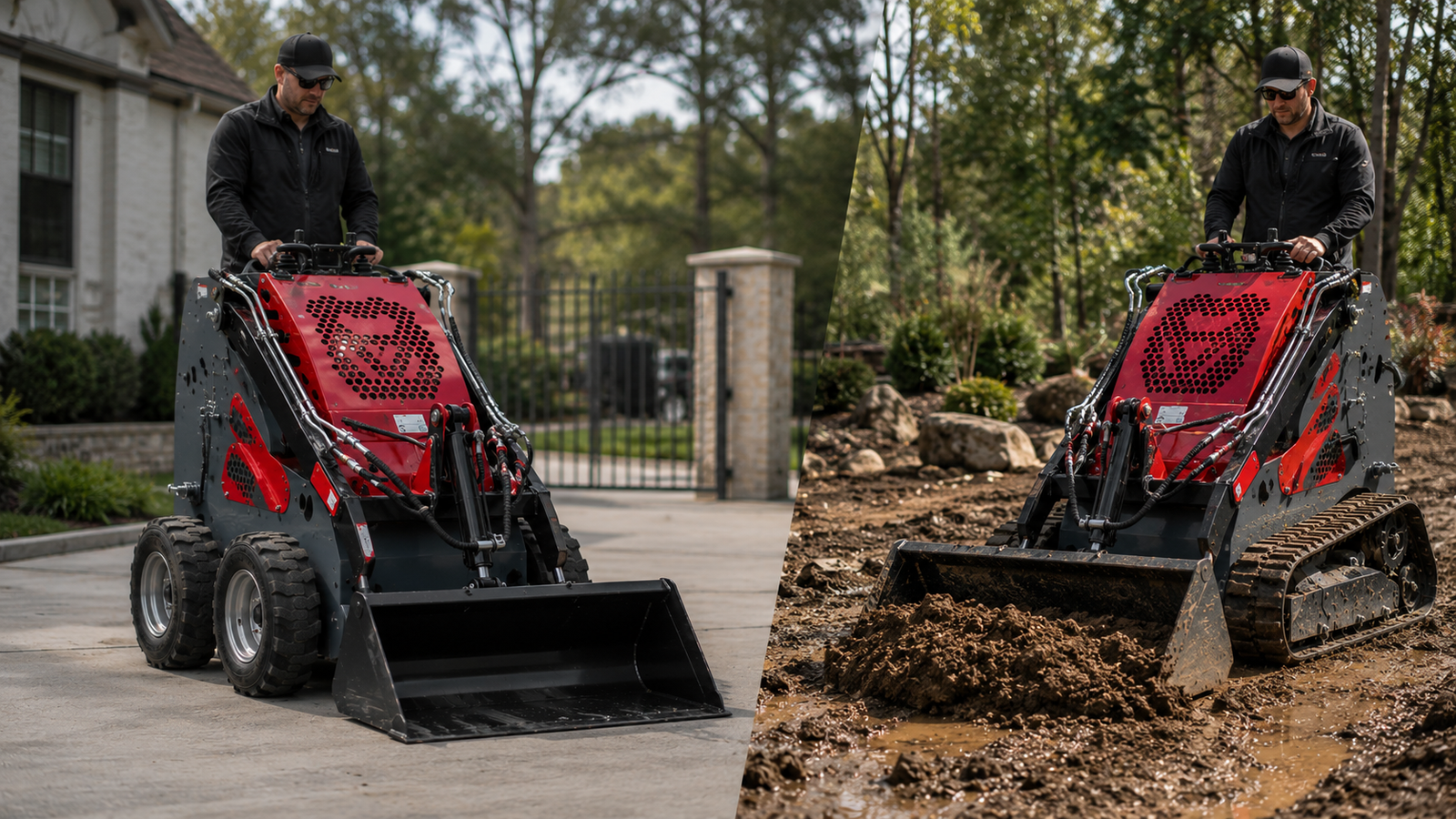
How a skid steer contacts the ground changes everything about where it can work, so the choice between wheeled and tracked models deserves careful thought during your search. Both steer by the same skidding principle and share the same loader design, but wheels and tracks behave very differently on real terrain. Searching without a clear preference here often leads to a machine that fights the conditions it spends most of its time in.
The challenge is matching the undercarriage to your typical ground. A wheeled skid steer moves faster on hard surfaces, costs less to buy and maintain, and excels at material handling on pavement and firm, established sites. Its weakness shows on soft, muddy, or sloped ground, where tires sink, lose traction, and risk tearing up the surface. A compact track loader spreads its weight across rubber tracks, delivering lower ground pressure, better flotation, and superior traction on delicate or unstable terrain, but it carries higher purchase and maintenance costs and travels slower on hard surfaces.
In your search, filter by undercarriage type based on where the machine will spend most of its hours. Landscapers working on lawns and soft soil, and farmers crossing fields and pens, usually lean toward tracks. Contractors handling materials on concrete and paved sites often prefer wheels for speed and lower running costs. Choosing the right configuration protects both your productivity and the surfaces you work on. Once you know the type and specs you want, the search shifts to judging the condition of any specific machine.
Read Hours, Condition, and Maintenance History Carefully
When you find a machine that matches your specifications, the next layer of your search turns to its real condition, and this is where used listings demand the most scrutiny. Operating hours function much like mileage on a vehicle, giving you a rough sense of how hard and how long the machine has worked. A low-hour machine generally has more life ahead of it, but hours alone never tell the full story, since a well-maintained machine with high hours can outlast a neglected one with few.
The trap buyers fall into is judging a used skid steer by hours and appearance alone. A clean repaint can hide leaks, cracks, and worn components, and a low hour reading means little if the machine was abused or skipped its servicing. Without digging deeper, you risk buying someone else’s expensive problem.
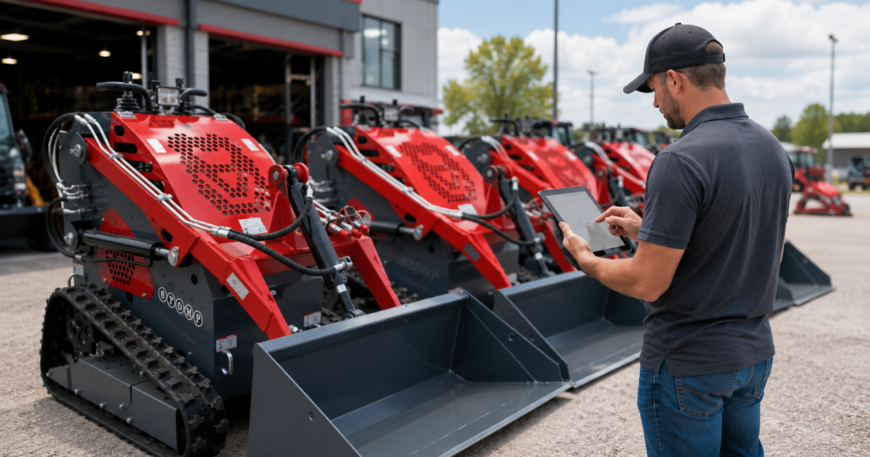
When you evaluate a listing, search for the maintenance records and ask direct questions about service history. Inspect or arrange inspection of the key wear points: tires or tracks and undercarriage, the hydraulic system for leaks, the loader arms and pins for cracks and play, the bucket and coupler, and the engine for smoke or unusual noise. Check the hour meter against the overall wear to confirm they tell a consistent story. A machine with documented, disciplined maintenance is worth a premium, because it protects your uptime and resale value. That evaluation naturally leads to the bigger question of whether to buy new or used at all.
Weigh New Versus Used and Total Cost of Ownership
The final dimension of your search ties everything together: deciding between new and used, and judging each option by total cost of ownership rather than sticker price alone. A new machine costs more upfront but arrives with full warranty coverage, the latest features, predictable reliability, and zero unknown history. A quality used machine costs less and avoids the steepest early depreciation, but it carries more risk and may need repairs sooner.
The mistake here is comparing only purchase prices and missing the larger financial picture. The true cost of a skid steer includes financing, maintenance, repairs, fuel, insurance, downtime, and the resale value you recover later. A cheap machine that breaks down often and lacks dealer support can easily cost more over its life than a pricier, better-supported one. This is also where brand reputation and dealer support earn their place in your search, because a respected brand holds its value and a strong dealer keeps the machine running.
As you search, look beyond the listing to the dealer behind it. Check for available parts, responsive service, knowledgeable technicians, clear warranty terms, and sensible financing options that fit your cash flow. Run the numbers on your real annual usage and compare the full ownership cost of new versus used over the years you expect to keep the machine. Evaluate listings with this complete view, and you will spot genuine value where others see only a price tag. That disciplined comparison is what turns a major purchase into a sound long-term investment.
Conclusion
Searching for the right skid steer comes down to knowing which details actually shape performance and value. Anchor your search in operating weight and rated operating capacity, confirm horsepower and hydraulic flow together, verify attachment compatibility, and choose between wheeled and tracked models based on your real terrain. From there, read hours and maintenance history honestly, and judge new versus used by total cost of ownership rather than price alone. Each criterion reinforces the others, turning a confusing search into a clear, confident decision.
For contractors, landscapers, construction business owners, property developers, farmers, and first-time buyers, the next step is straightforward. List your heaviest tasks, your typical ground conditions, and the attachments you plan to run, then measure every listing against those needs and the dealer support behind it. Search with that clarity, and you will find a skid steer that fits your work, protects your budget, and earns its place on every job. What does your toughest jobsite demand most from a machine?