
What is the Purpose of a Skid Steer?
Walking onto an active job site, you will often see massive excavators and towering cranes dominating the skyline. While these giant machines handle the heavy lifting, they require massive amounts of open space to operate safely. When projects move into tight residential neighborhoods or crowded urban developments, these colossal pieces of equipment become completely useless. You need a machine that delivers raw power without taking up the entire property.
Understanding the primary purpose of a skid steer is essential for maximizing your operational capabilities. These compact, highly maneuverable machines serve as the ultimate problem solvers for modern contractors. They bridge the gap between exhausting manual labor and oversized heavy machinery. This guide explores the core design of these loaders, their unmatched versatility, and how they secure long-term profitability for your contracting business.
The Core Design and Purpose of a Skid Steer
Heavy construction equipment traditionally relies on a front steering axle to navigate around a job site. The severe limitation of this traditional steering method is the massive turning radius it requires. If you need to turn a standard front-end loader around in a tight alleyway, you will likely spend ten minutes making stressful, multi-point turns while risking damage to nearby structures. This lack of maneuverability completely stalls project momentum and frustrates ground crews.
The primary purpose of a skid steer is to deliver heavy lifting power within extremely confined spaces. Engineers solved the turning radius problem by designing a rigid frame where the left and right wheels operate entirely independently of each other. When the operator pushes the left joystick forward and pulls the right joystick backward, the machine physically skids across the ground to perform a perfect zero-radius turn. This unique mechanical design allows the loader to spin entirely within its own footprint.
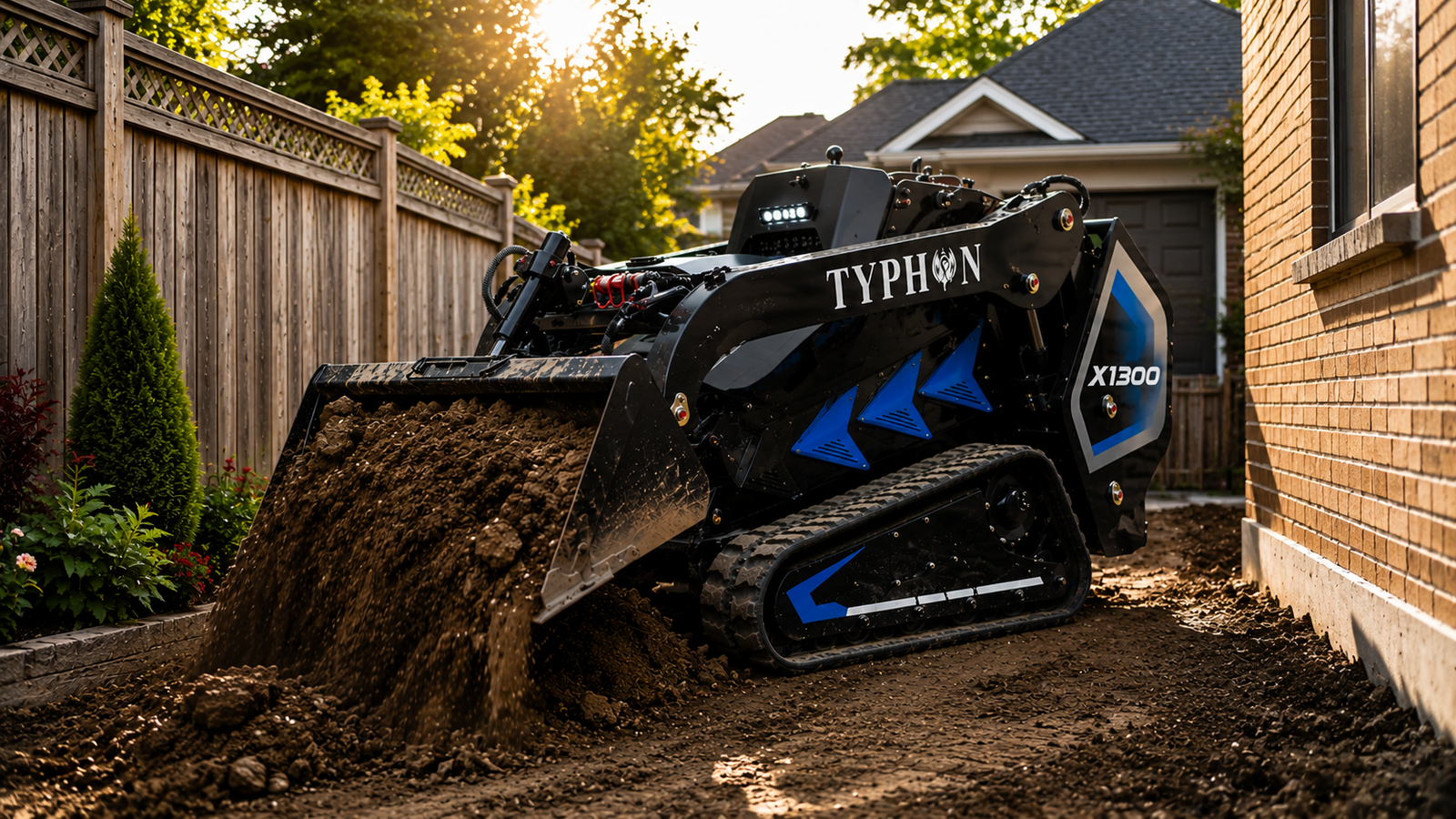
The real-world impact of this zero-turn capability is unmatched spatial efficiency. Your operators can drive straight into a narrow residential backyard, scoop a heavy bucket of soil, spin 180 degrees, and drive straight out. This eliminates the need for manual wheelbarrows and drastically reduces the physical fatigue of your workforce. Mastering this basic movement naturally transitions into a broader conversation about daily operational speed.
Enhancing Daily Job Site Efficiency
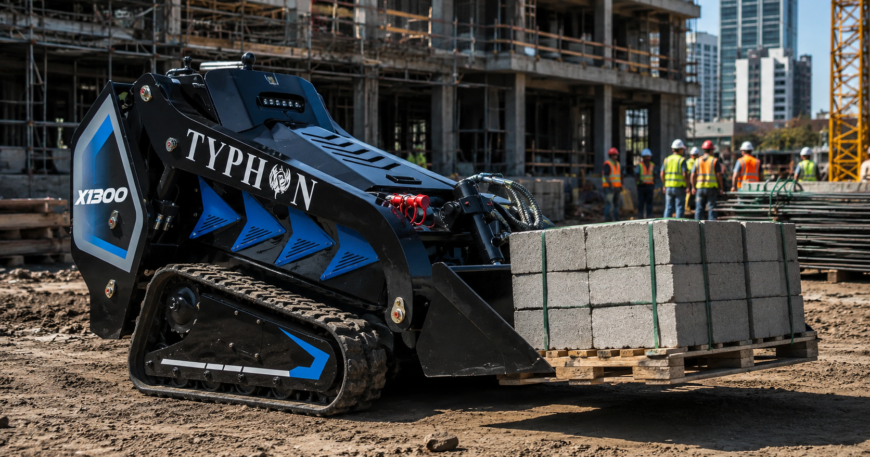
Every construction project operates under the intense pressure of a strict, unforgiving deadline. A frequent problem business owners face is paying highly skilled laborers to perform simple, repetitive material transport. Paying a crew of carpenters to carry heavy concrete blocks across a staging yard is a massive waste of your financial resources. Manual material handling drains your profit margins and leaves your workers exhausted before the real technical work even begins.
Skid steers exist to completely automate these repetitive, labor-intensive tasks. With a rated operating capacity that often exceeds two thousand pounds, a single operator can move a massive pallet of materials across the site in less than a minute. They effortlessly transport structural lumber, heavy steel beams, and bulk aggregate from the delivery truck directly to the installation zone.
This mechanical assistance transforms your overall job site efficiency. By delegating the heavy lifting to a compact loader, your specialized tradespeople can focus entirely on executing their actual craft. Projects finish ahead of schedule, labor costs drop significantly, and your commercial insurance risks decrease because fewer workers suffer back injuries. To truly capture this efficiency, however, you must look beyond the standard dirt bucket.
Unlocking Ultimate Skid Steer Versatility
The traditional approach to civil contracting involved purchasing a dedicated machine for every single phase of a project. Business owners bought expensive trenchers, standalone sweeping machines, and specialized forklifts. The massive problem with this strategy is the crippling financial overhead required to maintain, insure, and transport a massive fleet of single-purpose machinery. When a specialized machine sits idle in your staging yard, it actively drains your working capital.
The universal quick-attach system unlocked true skid steer versatility, fundamentally changing how contractors approach heavy equipment. This standardized mounting plate allows an operator to drop a smooth grading bucket and connect a heavy-duty hydraulic breaker in a matter of seconds. Your compact loader instantly transforms from an earthmoving machine into a powerful demolition tool.
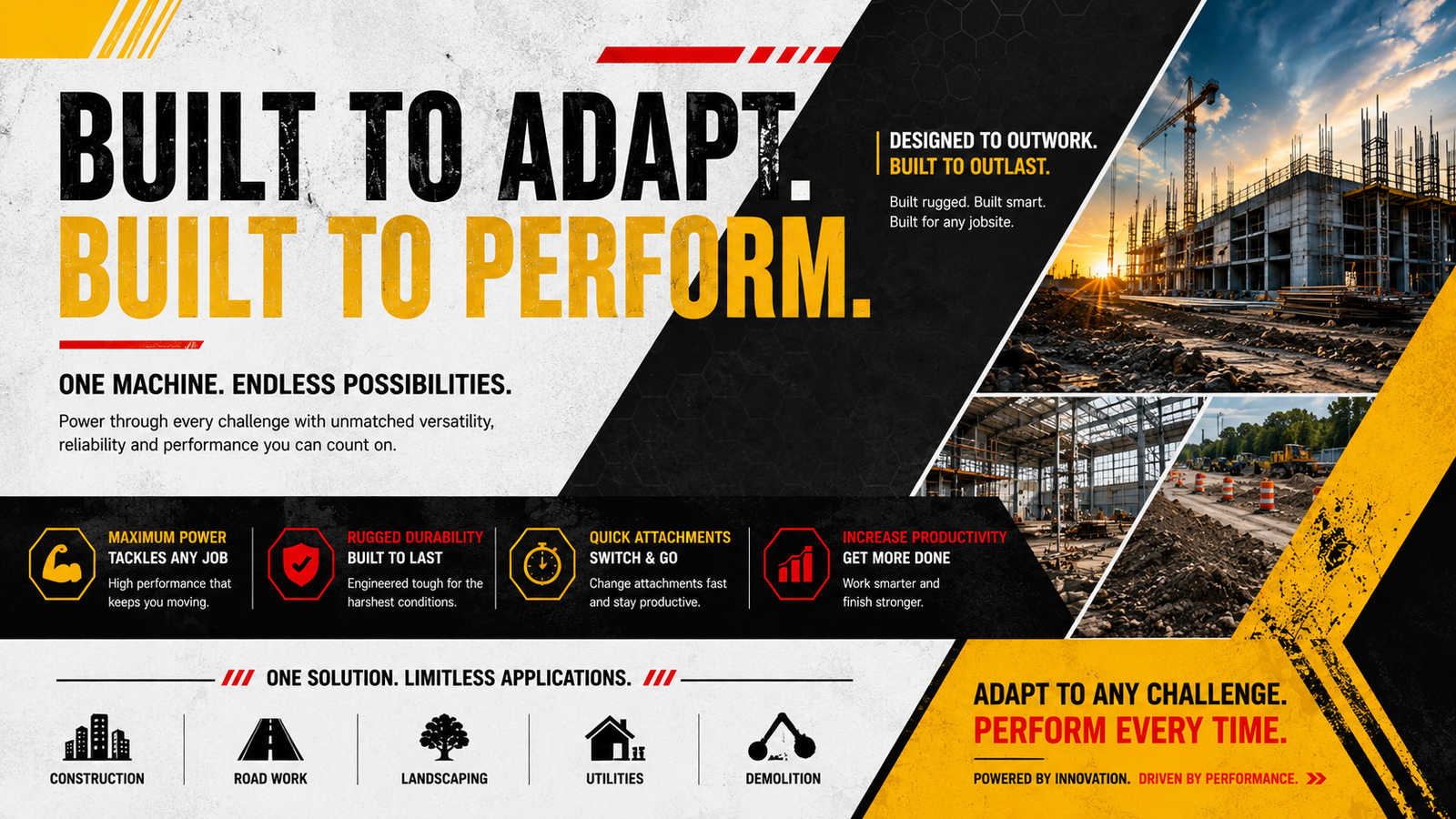
By investing in a diverse catalog of attachments, you maximize the return on your initial equipment investment. A single power unit can now handle site clearing, trenching, post-hole digging, and final soil grading. You transport one machine to the job site, completely eliminating the complex logistics of coordinating multiple equipment deliveries. This multi-functional capability makes the loader a highly reliable asset across vastly different professional sectors.
Industries Powered by Skid Steer Uses
Construction equipment is often built for highly specific environments, limiting its appeal to a narrow segment of the market. The limitation many equipment buyers face is finding a machine that adapts to their company as their service offerings evolve. If an asphalt paving company decides to expand into commercial landscaping, their heavy road rollers offer absolutely no value to the new division.
Because skid steer uses are so incredibly diverse, these machines serve as the backbone for dozens of different industries. In commercial landscaping, they power massive forestry mulchers and delicate tree spades. In the agricultural sector, farmers rely on them to clean out tight livestock pens and move heavy bales of hay. Paving contractors use them with cold planer attachments to mill damaged asphalt before laying fresh roads.
This universal reliability ensures that your business can pivot and accept new, lucrative contracts without purchasing an entirely new fleet. Your operators use the exact same cab and controls, regardless of the industry they are serving that day. This seamless transition between completely different operational tasks builds a deeply resilient business model. Securing this resilience requires matching the exact machine to your daily workload.
Choosing the Right Machine for Your Needs
The compact equipment market offers an overwhelming variety of makes, models, and hydraulic configurations. A common vulnerability for new equipment buyers is assuming that all loaders perform identically and simply purchasing the cheapest option on the lot. Buying an underpowered, standard-flow machine for heavy, continuous demolition work guarantees stalled engines and entirely destroyed hydraulic pumps.
Choosing the right skid steer requires a strict evaluation of your most demanding daily tasks. You must understand the difference between a vertical lift path, which excels at loading high-sided dump trucks, and a radius lift path, which provides aggressive digging power. Furthermore, if you plan to run demanding attachments like snow blowers or asphalt millers, you must invest in a high-flow hydraulic system to prevent the tool from stalling under pressure.
Aligning the machine’s engineering with your physical reality guarantees smooth, uninterrupted performance. Your operators will tackle challenging terrain and heavy payloads with absolute confidence, knowing the machine was built specifically for the job at hand. This careful, calculated purchasing decision protects your capital and sets the stage for years of compounding profitability.
The Long-Term Value of Your Investment
Building a highly respected, deeply reliable contracting operation requires equipment that consistently shows up ready to work. Many business owners trap themselves in a cycle of renting machines, slowly bleeding their profits to equipment dealers every single month. While renting makes sense for rare, highly specialized tasks, failing to own your primary power unit prevents you from building actual equity in your business.
Investing in a premium skid steer provides a foundational anchor for your company’s long-term financial health. These machines hold their value exceptionally well, offering excellent resale value when it is time to upgrade your fleet. More importantly, they empower your crew to take absolute control over your project schedules. You never have to wait for a rental yard to deliver a machine before you can start generating revenue.
Take a strategic look at your current job site operations and identify the bottlenecks holding your crew back. By understanding the true purpose of a skid steer, you recognize it as a powerful catalyst for operational growth. Commit to mastering this versatile equipment, and build a lasting, highly profitable legacy that confidently drives your business forward.
1 Comment
Troubleshooting Common Skid Steer Problems
May 19, 2026[…] skid steer loader relies entirely on a complex network of highly pressurized fluid to lift massive payloads and drive […]