
What Is a Mini Skid Steer? (Beginner Guide & General )
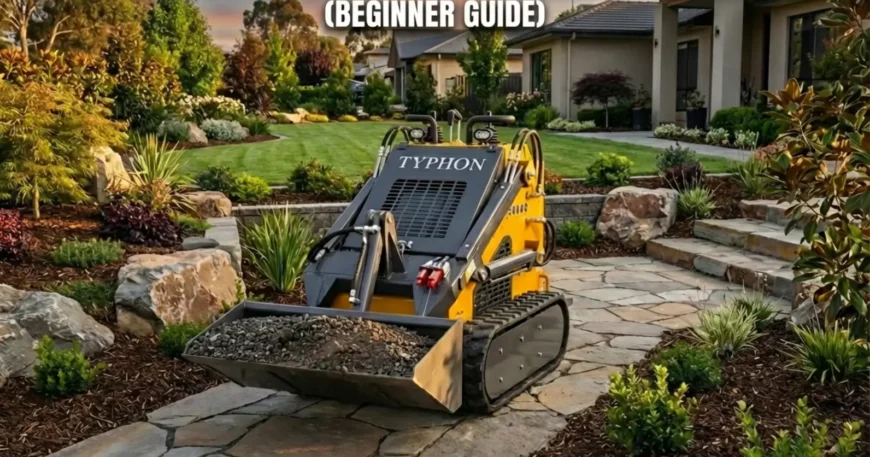
Mini Skid Steer When you walk onto a busyjob site, you can see how hard it is to find a balance between raw power and strategic efficiency. For a long time, it was hard for contractors to decide what to do when they had to work on hard projects in small spaces. You either pushed a big, heavy piece of machinery into a space where it didn’t belong, or you made your crew work long hours doing hard, unprofitable manual work. Neither option would have worked for a construction or landscaping business that was growing. The small skid steer loader changed the way professionals deal with these kinds of problems in a big way. These amazing machines fit in between wheelbarrows and big earthmovers. They send a lot of hydraulic power into small backyards and narrow streets in cities. If you want to grow your business, you need to know what this equipment can do. This complete guide for beginners will tell you what a mini skid steer is and how it works on the job site. We will talk about the main differences between compact and full-sized models, compare walk-behind and stand-on models, and list the most common uses in different fields. You’ll know exactly why these machines are so popular and how they can help your business make a lot more money every day by the end of this article. Defining the Compact Hydraulic Powerhouse Every new mechanical invention begins with a strong desire to solve a simple problem at work. Contractors often had to move heavy things, but regular tractors couldn’t get to the places where they were. Moving heavy pallets of retaining wall block or yards of dense topsoil by hand hurts the crew’s spirits and makes the project take longer. The industry really needed a machine that could do the work of a big loader but fit in a regular wheelbarrow. A mini skid steer is a small machine with an engine and hydraulic lift arms that can use a lot of different tools. This machine doesn’t steer by turning the front wheels like a regular car does. Instead, it turns by changing the speed of the left and right tracks or wheels. This is what makes the machine special: it lets it “skid” across the ground. It can spin all the way around without leaving a mark. This amazing ability to turn without a radius means you don’t have to make wide, awkward turns in tight spaces anymore. A very powerful diesel or gas engine powers the machine and its complicated system of internal hydraulic pumps. This hydraulic system not only gives the tracks the power they need to move, but it also gives the attachments on the front a lot of power all the time. This engineering makes your daily tasks a lot easier in real life. This machine can do the work of a whole crew of manual workers in a fraction of the time. Using hydraulic power instead of wheelbarrows will help your workers stay healthy and not get too tired. The switch from doing things by hand to doing them automatically is what makes a modern contracting business so successful. Mini Versus Full-Size Skid Steers You need to know what each type of machine can and can’t do in order to build a good fleet of equipment. Many traditional contractors believe that larger machinery invariably yields superior and more expedient outcomes. The biggest problem with full-size skid steers is that they are too heavy and too wide to be useful in tight or delicate spaces. Using a full-size loader on a finished residential property almost always causes a lot of damage to the grass, cracks in the concrete driveways, and high costs for fixing the site. The mini skid steer was made to work in places where bigger machines can’t. The most obvious difference is their size; compact models are usually less than thirty-six inches wide. The compact loader’s narrow shape makes it easy to fit through standard residential garden gates and move through narrow city alleys. You would have to take down the client’s whole fence to get to the work area in the backyard if you had a full-size machine. The difference in operating weight has a big effect on how you handle your logistics and keep the job site safe, in addition to just being able to get to it. The difference in operating weight has a big effect on how you handle your logistics and keep the job site safe, in addition to just being able to get to it. To move full-size loaders, you usually need heavy-duty commercial transport trucks, specialized trailers, and drivers with commercial licenses. The compact skid steer loader, on the other hand, is very light, so you can easily tow it behind a regular heavy-duty pickup truck. This simple logistics saves your business thousands of dollars in shipping costs and lets you move the machine to several sites in one day. Also, the ground pressure on the terrain is much lower because the compact model is lighter. A big loader will sink into soft mud and leave big ruts on a clean lawn, but a mini loader will move smoothly over the surface. This better flotation protects the client’s property, saves you money on landscaping repairs after the project is done, and keeps your reputation as a professional. You keep your hard-earned profit margins when you choose the compact option instead of wasting them on collateral damage that isn’t needed. Navigating Walk-Behind Versus Stand-On Models Once you see how useful compact machinery is, you need to decide which way to set it up for your daily tasks. Most companies make these machines in two styles: walk-behind and stand-on. People who buy new equipment need to know how the operator’s body position affects safety, visibility, and long-term fatigue on the job site. If you pick the wrong configuration, operators might get mad and production might slow down. The walk-behind model