
Skid Steer Buying Guide (2026): How to Choose the Best Machine for Your Business
Buying a skid steer can be one of the smartest investments a contractor, landscaper, builder, farmer, rental company, or property maintenance business makes in 2026. The right machine can increase productivity, reduce labor costs, improve efficiency, and open the door to more profitable jobs.
A skid steer is one of the most versatile machines on any jobsite. It can move materials, load trucks, grade surfaces, handle pallets, power attachments, clean sites, remove debris, and support dozens of daily tasks across mul tiple industries. That versatility is exactly why choosing the right machine matters.
Many buyers make the mistake of focusing only on price. Others buy the biggest model they can afford without considering real workload needs. The best skid steer is not simply the cheapest or largest option. The best skid steer is the machine that matches your business, improves output, stays reliable, and delivers long-term return on investment.
This complete skid steer buying guide explains how to choose the right size, what features matter most, pricing expectations, financing strategies, business benefits, and how to make a confident purchase decision.
Why Buying a Skid Steer Is a Smart Business Move
A skid steer is more than equipment. It is a revenue-producing asset.
Businesses that invest in the right machine often complete jobs faster, reduce dependence on manual labor, improve scheduling flexibility, and take on more work with the same crew size.
Instead of paying for extra labor to move soil, gravel, pallets, mulch, concrete debris, or tools manually, a skid steer can handle those tasks quickly and consistently.
For many companies, one machine can replace hours of labor every day.
That creates real value through:
- Faster project completion
- Lower labor pressure
- Better crew efficiency
- Improved professionalism on site
- More services offered to clients
- Higher earning potential
A properly selected skid steer can begin generating value immediately.
Who Should Buy a Skid Steer
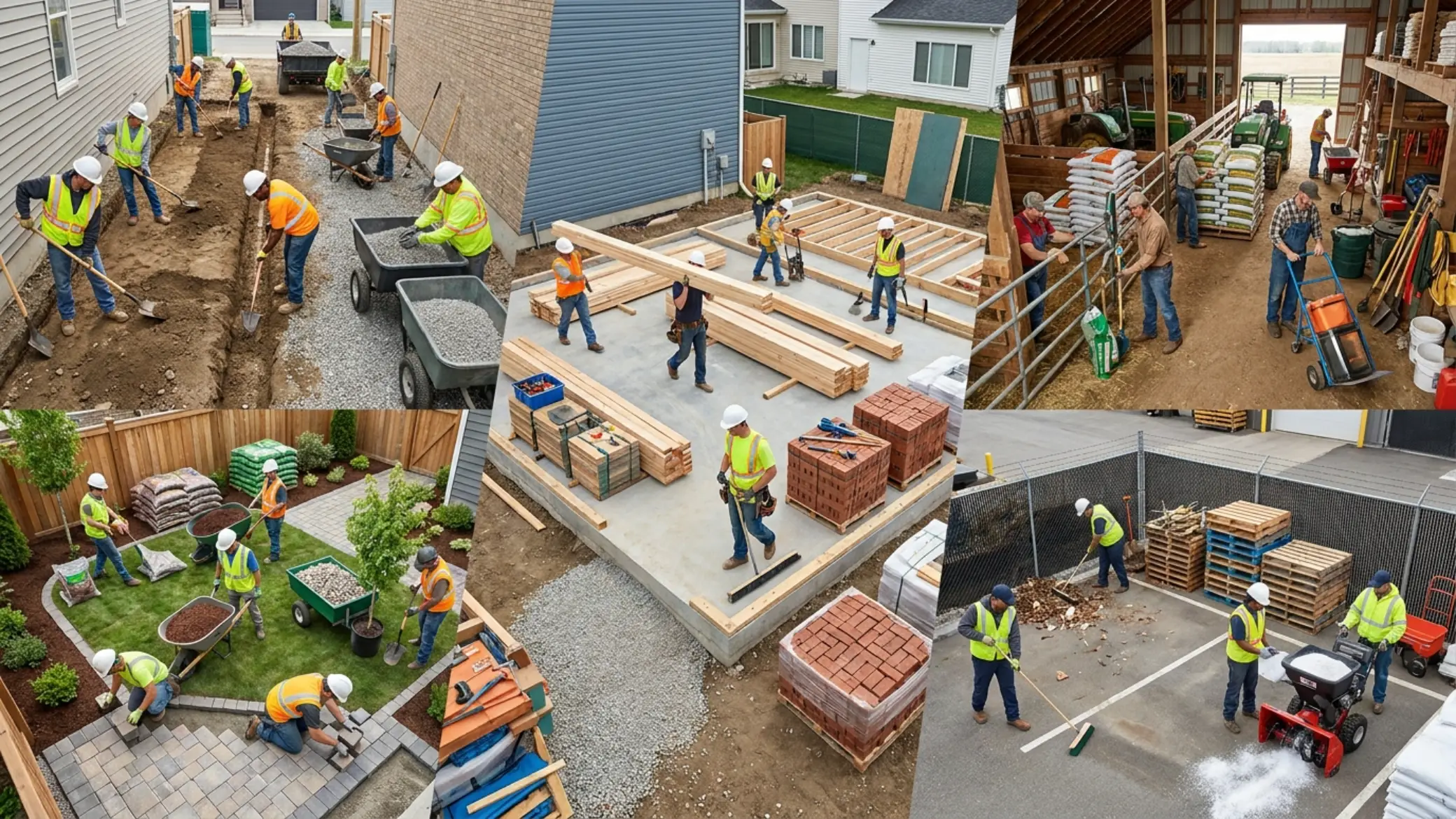
Skid steers are ideal for businesses that need compact power and multi-purpose performance.
Contractors
Useful for grading, site cleanup, loading, trenching, backfilling, demolition support, and material handling.
Landscapers
Perfect for moving soil, mulch, stone, pavers, trees, debris, and hardscape materials.
Builders
Excellent for residential construction, lot prep, framing support, pallet movement, and cleanup.
Farmers
Helpful for feed movement, barn cleanup, lifting supplies, fencing work, and general property maintenance.
Property Maintenance Companies
Great for debris removal, snow work, lot cleanup, pallet handling, and commercial site support.
If your business regularly moves materials or needs more productivity in tight spaces, a skid steer can be a powerful upgrade.
How to Choose the Right Skid Steer
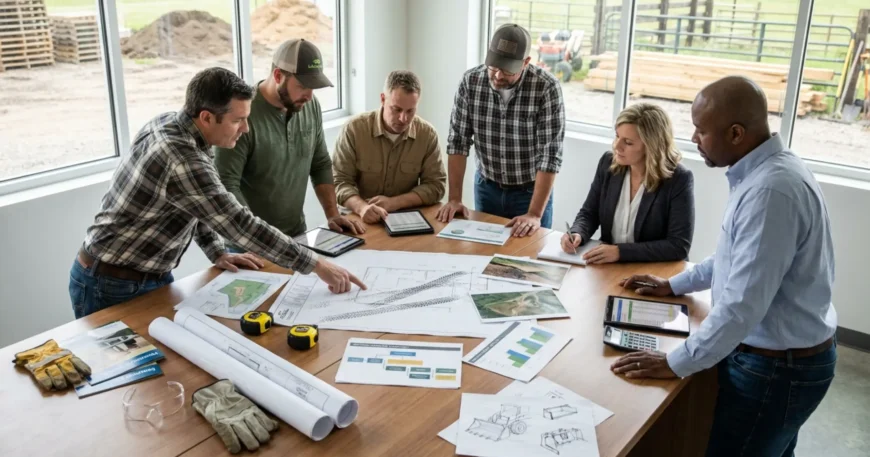
Before comparing brands or prices, define what the machine must do most often.
This is the most important buying step.
Ask yourself:
- What materials will I move daily?
- Do I need pallet handling?
- Will I work in narrow gates or tight urban jobsites?
- Do I need to load trucks?
- Will I run hydraulic attachments?
- How many hours per week will it operate?
- Who will operate it?
The right answers guide the right machine.
Choose the Right Size Skid Steer
Size impacts productivity, access, transport cost, fuel use, and lifting ability.
Compact Models
Best for:
- Tight spaces
- Residential jobsites
- Narrow access points
- Smaller trailers
- Light to moderate workloads
Mid-Size Models
Best for:
- Mixed commercial work
- Daily contractor use
- Landscaping crews
- Strong balance of power and maneuverability
Large Models
Best for:
- Heavy production work
- Commercial construction
- Large material movement
- Frequent truck loading
- Demanding hydraulic applications
Bigger is not always better.
Oversized machines can increase purchase cost, fuel consumption, transport complexity, and wear. Choose based on recurring workload, not occasional jobs.
Track vs Wheel Skid Steer
One of the most common buyer decisions is whether to choose tracks or wheels.
Wheel Models
Best for:
- Hard surfaces
- Concrete
- Asphalt
- Faster travel speeds
- Lower maintenance in some environments
Track Models
Best for:
- Mud
- Soft ground
- Loose soil
- Wet conditions
- Lower ground pressure
- Better traction
If your work is mainly landscaping, dirt, grading, or unstable surfaces, tracks are often a smart investment.
If your work is mostly pavement, yards, or mixed hard surfaces, wheels may be the better fit.
Vertical Lift vs Radial Lift
Lift path design affects how the machine performs.
Radial Lift
Often preferred for:
- Digging
- Grading
- Pushing
- Ground-engaging work
Vertical Lift
Often preferred for:
- Loading trucks
- Pallet movement
- Stacking materials
- Higher reach at full lift height
If material handling is a major revenue source, vertical lift can be highly valuable.
Key Features That Increase ROI
Modern skid steers offer features that improve daily performance and long-term ownership value.
Enclosed Cab
Protects operators from dust, heat, rain, noise, and harsh conditions.
HVAC
Keeps crews comfortable in hot or cold weather, improving productivity.
High-Flow Hydraulics
Important for running demanding attachments such as:
- Brush cutters
- Cold planers
- Trenchers
- Augers
- Sweepers
- Mulchers
Ride Control
Reduces bouncing while carrying loads and improves comfort.
LED Lighting
Useful for early starts, evening jobs, and indoor work.
Backup Camera / Visibility Packages
Improves awareness and site safety.
Easy Service Access
Saves time during maintenance and protects uptime.
Choose features that make money, save time, or reduce downtime.
Best Attachments to Buy
Attachments are one reason skid steers deliver exceptional value.
Popular options include:
- Bucket
- Pallet forks
- Grapple
- Auger
- Trencher
- Brush cutter
- Soil conditioner
- Sweeper
- Snow blade
- Breaker
The more jobs your machine can perform, the higher your ROI.
How Much Does a Skid Steer Cost in 2026?
Pricing depends on:
- Size
- Lift capacity
- Hydraulic package
- Cab options
- Tracks or wheels
- Brand
- Dealer region
- Technology package
- Included attachments
Entry-level models may start lower, while premium commercial units with advanced features can rise significantly.
The smarter approach is not asking “What is cheapest?”
Ask:
- What machine makes me money fastest?
- What machine fits daily work best?
- What machine protects uptime?
- What machine holds value strongly?
That mindset creates better buying decisions.
Should You Finance a Skid Steer?
Many businesses finance equipment to preserve working capital.
Instead of tying up cash, financing can allow you to keep money available for:
- Payroll
- Materials
- Growth marketing
- Additional equipment
- Seasonal operations
- Emergencies
A monthly payment can make sense when the skid steer generates more revenue than it costs.
Before financing, review:
- Monthly affordability
- Projected usage
- Seasonal cash flow
- Expected ROI
- Down payment options
- Business growth plans
Smart financing can accelerate growth.
What Brand Is Best?
There is no single best brand for every buyer.
The best machine is the one that offers the right fit for your workload and strong local support.
Compare brands based on:
- Dealer reputation
- Service speed
- Parts availability
- Operator comfort
- Hydraulic performance
- Reliability history
- Warranty coverage
- Resale demand
A great dealer often matters as much as the machine itself.
Common Buying Mistakes to Avoid
Buying Only on Price
Cheap upfront cost can become expensive through poor productivity or downtime.
Choosing the Wrong Size
Too small slows jobs. Too large wastes money.
Ignoring Attachments
Attachment needs should shape hydraulic and machine choices.
Forgetting Operator Comfort
Fatigued operators are slower and less efficient.
Ignoring Dealer Support
Slow parts or service response can cost real money.
No ROI Planning
Every equipment purchase should have a revenue plan.
How a Skid Steer Can Grow Your Business
The right skid steer often removes bottlenecks immediately.
Jobs move faster. Crews accomplish more. Scheduling improves. New services become possible.
Examples:
A landscaper can add grading and hardscape prep.
A contractor can speed site cleanup and loading.
A maintenance company can pursue larger commercial accounts.
A builder can reduce manual material movement.
One machine can expand what your business is capable of delivering.
How to Buy With Confidence
Before purchasing, use this checklist:
- Define top 3 job types
- Determine average load weights
- Measure access width limits
- Decide track or wheel
- Decide lift path style
- List must-have attachments
- Compare monthly budget
- Compare dealer support
- Test operator comfort
- Review ROI potential
When you buy strategically, the machine becomes an asset—not an expense.
Final Verdict
A skid steer can be one of the most profitable equipment purchases your business makes in 2026.
The key is not chasing the lowest price or biggest machine.
The key is choosing the right size, right features, right support, and right financial structure for your real workload.
A smart purchase can improve productivity, reduce labor pressure, increase service capacity, and generate strong long-term returns.
Choose carefully, buy confidently, and put your next machine to work immediately.
Frequently Asked Questions
What size skid steer do I need?
It depends on load weight, site access, truck loading needs, and attachment use.
Comments (13)
Jeannette1530
April 23, 2026https://shorturl.fm/J3Yj9
Loren1707
April 23, 2026https://shorturl.fm/QWMTN
Barret2167
April 24, 2026https://shorturl.fm/FNUj1
Eloise2747
April 24, 2026https://shorturl.fm/jXgcl
Jill2933
April 24, 2026https://shorturl.fm/rGN1U
TarnenZes
May 4, 2026Howdy! Do you know if they make any plugins to help with SEO? I’m trying to get my blog to rank for some targeted keywords but I’m not seeing very good success. If you know of any please share. Many thanks!
new online casino slots bad
DichaelMub
May 4, 2026Hmm is anyone else experiencing problems with the images on this blog loading? I’m trying to determine if its a problem on my end or if it’s the blog. Any responses would be greatly appreciated.
new online casino slots
Lewiscrync
May 4, 2026For hottest news you have to go to see web and on world-wide-web I found this website as a best site for latest updates.
adult xxx video porn site xxx sex video
DichaelMub
May 5, 2026Nice post. I learn something totally new and challenging on blogs I stumbleupon every day. It’s always useful to read content from other authors and practice something from their sites.
在线购买他达拉非片用于肛交XXX色情
TimsothybaF
May 5, 2026What a stuff of un-ambiguity and preserveness of valuable familiarity concerning unexpected emotions.
Watch sexual porno video xxx sex adults site
Lewiscrync
May 5, 2026Heya! I’m at work browsing your blog from my new iphone! Just wanted to say I love reading your blog and look forward to all your posts! Keep up the fantastic work!
kasiino pakkumised
Gichardprusy
May 5, 2026Do you have a spam problem on this website; I also am a blogger, and I was wanting to know your situation; many of us have created some nice practices and we are looking to swap techniques with other folks, be sure to shoot me an email if interested.
casino ohne oasis
Skid Steer Operator Jobs: Build Your Construction Career
May 6, 2026[…] Skid Steer Buying Guide (2026): How to Choose the Best Machine for Your Business ?.. […]