

Skid Steer Jobsite Project Guide
Master skid steer jobsite operations, improve efficiency, and complete projects faster with proven skidsteer strategies.
Skid Steer Jobsite Preparation
A skid steer loader performs at its highest level when the jobsite is properly prepared. Effective skidsteer operations rely on stable ground conditions, clear travel paths, and a well-structured work environment. Without proper preparation, even the most advanced skid steer can lose efficiency and increase operational risk.
Before bringing a skid steer onto the jobsite, conduct a complete site inspection. Evaluate soil conditions, slopes, drainage, and hidden obstacles such as debris or underground utilities. Identifying these risks early ensures safe skidsteer operation and prevents costly downtime.
Planning your skid steer workflow is equally important. Define travel routes, organize work zones, and position material stockpiles strategically. A well-structured jobsite allows your skidsteer to move efficiently, reducing unnecessary movement and fuel consumption.
Proper skid steer jobsite preparation improves productivity, enhances safety, and ensures your project runs smoothly from start to finish. A prepared jobsite is the foundation of every successful skidsteer operation.
Optimizing Skid Steer Workflow
Efficient skid steer workflow is the backbone of a productive jobsite. Many skidsteer operations lose time due to poor planning, random movement, and unnecessary travel. Without a structured workflow, fuel costs increase, machine wear accelerates, and productivity drops.
By organizing your skid steer jobsite into a clear operational flow, you can maximize output, reduce downtime, and complete projects faster with fewer resources.
A well-optimized skid steer workflow reduces fuel consumption, increases productivity, and ensures your jobsite runs smoothly. By following a structured approach, your skidsteer becomes a highly efficient system rather than just a machine.
Maximizing Skid Steer Efficiency
Efficiency is key to running a profitable jobsite. A skid steer should always operate with minimal wasted movement.
Plan routes carefully and avoid empty trips. For example, carry materials in one direction and remove debris on the return trip.
This approach keeps your skidsteer productive at all times, reducing fuel usage and speeding up project completion.
Handling Jobsite Terrain
Different terrains can affect skid steer performance. Mud, sand, and uneven ground require proper machine selection and operation techniques.
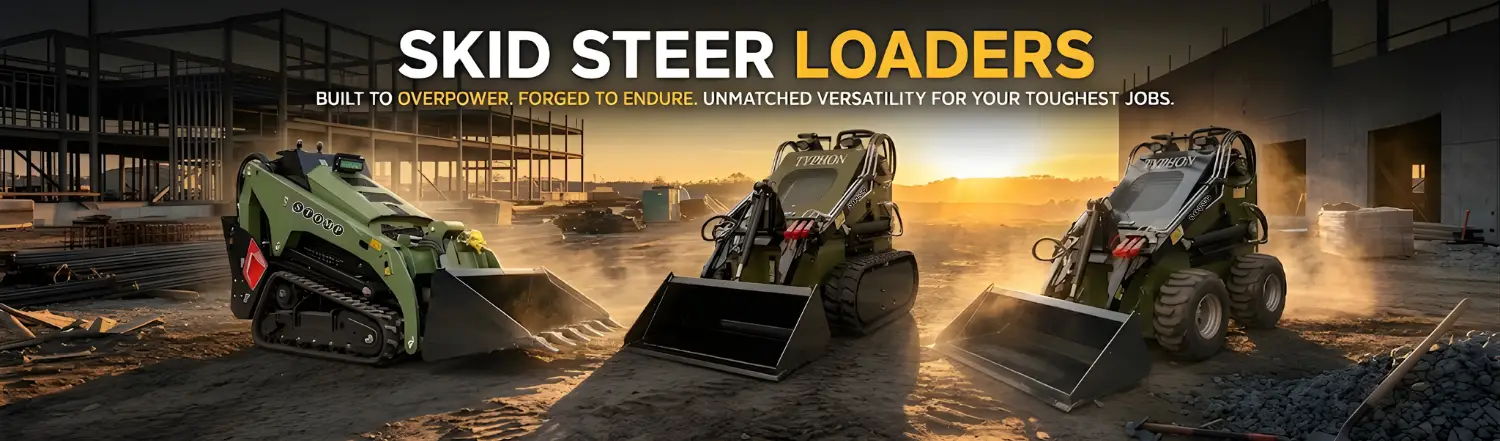
Tracked skid steer loaders perform better in soft or wet conditions, while wheeled skidsteers are more efficient on solid surfaces.
Understanding terrain conditions allows your skid steer to operate efficiently in any environment.
Skid Steer Jobsite FAQ
What is a skid steer used for on a jobsite?
A skid steer is used for material handling, grading, digging, and site preparation tasks.
How do I improve skid steer productivity?
Improve productivity by planning workflow, organizing zones, and reducing unnecessary movement.
Why is jobsite preparation important?
It prevents delays, improves safety, and ensures efficient skidsteer operation.